Asthma Triggers Around Your Perth Home: Exterior Cleaning Solutions
- Mar 20
- 8 min read
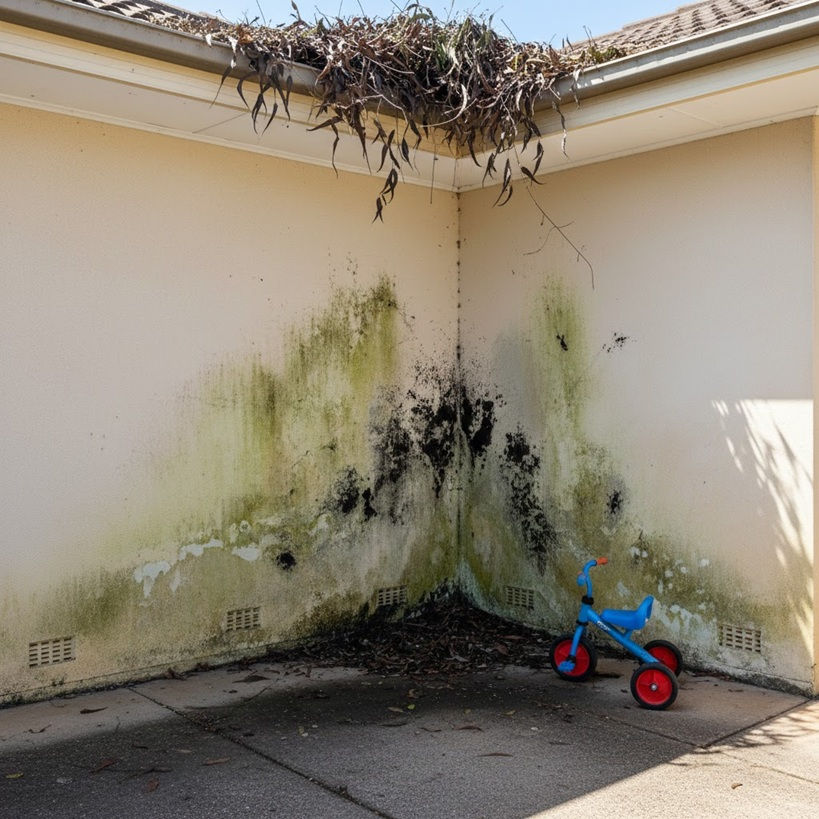
Perth's Mediterranean climate creates ideal conditions for mould growth, dust accumulation, and allergen buildup, all significant asthma triggers that many homeowners overlook. While most property owners focus on indoor air quality, the exterior of a home harbours hidden respiratory hazards that directly impact the health of occupants, particularly those with asthma or allergies. Understanding mould asthma triggers Perth requires comprehensive environmental trigger management.
Research from the Asthma Foundation of Australia indicates that environmental triggers cause 80% of asthma symptoms in Australian homes. In Perth's unique climate, characterised by hot, dry summers and cool, wet winters, exterior surfaces become breeding grounds for mould spores, dust mites, and organic debris that infiltrate living spaces through windows, doors, and ventilation systems.
Understanding how exterior maintenance affects indoor air quality represents the first step toward reducing asthma triggers through environmental trigger management. Professional exterior cleaning services address these hazards at their source, preventing respiratory irritants from entering homes and creating healthier environments for Perth families.
How Perth's Climate Creates Mould Asthma Triggers
Winter Rainfall and Mould Colonisation
Perth's winter rainfall combined with moderate temperatures creates perfect conditions for mould colonisation on exterior surfaces. Between May and September, when Perth receives 80% of its annual rainfall, gutters, walls, and shaded areas retain moisture that allows mould to flourish, creating significant mould asthma triggers Perth families face.
Mould releases microscopic spores into the air, particles small enough to penetrate deep into lung tissue when inhaled. For asthma sufferers, these spores trigger inflammatory responses that constrict airways, increase mucus production, and cause breathing difficulties. The most problematic species in Perth include Cladosporium, Alternaria, and Aspergillus, all of which thrive on damp exterior surfaces.
Blocked Gutters as Mould Incubators
Blocked gutters represent one of the most significant sources of mould around Perth homes. When leaf debris and organic matter accumulate in guttering systems, they create stagnant water pools that become mould incubators. This contaminated water overflows during rain events, running down exterior walls and creating damp patches where mould colonies establish.
Proflo has helped Perth property owners eliminate mould asthma triggers Perth sources for over 33 years through systematic exterior maintenance. Professional gutter cleaning services remove organic debris before it decomposes, eliminating the food source that mould requires. Proflo's vacuum gutter cleaning system extracts accumulated material without spreading spores into the air, a critical consideration for homes with asthma sufferers requiring mould asthma triggers Perth protection.
Exterior Surfaces That Harbour Respiratory Irritants
Roof Tiles and Gutters
Multiple exterior surfaces around Perth homes accumulate allergens and irritants that affect respiratory health, requiring attention to biofilm accumulation surfaces.
Roof tiles and gutters collect decomposing leaves, bird droppings, and dust that harbour mould spores and bacteria. During Perth's summer months, these organic materials dry out and become airborne when disturbed by wind, entering homes through roof vents and eaves.
Paved Areas and Biofilm Development
Paved areas and driveways develop biofilm, a slimy coating composed of algae, bacteria, and organic matter that releases spores and allergens through biofilm accumulation surfaces. This biofilm becomes particularly problematic in shaded areas where moisture persists longer after rain or irrigation.
Exterior Walls and Eaves
Exterior walls and eaves in shaded locations develop mould growth that appears as black, green, or grey discolouration. South-facing walls and areas under eaves receive limited sunlight, maintaining the damp conditions mould requires.
Outdoor Furniture as Allergen Reservoirs
Outdoor furniture and fixtures accumulate dust, pollen, and organic debris that family members transport indoors on clothing and shoes. These items act as reservoirs for allergens that continually reintroduce respiratory triggers into living spaces.
Professional Pressure Washing Benefits
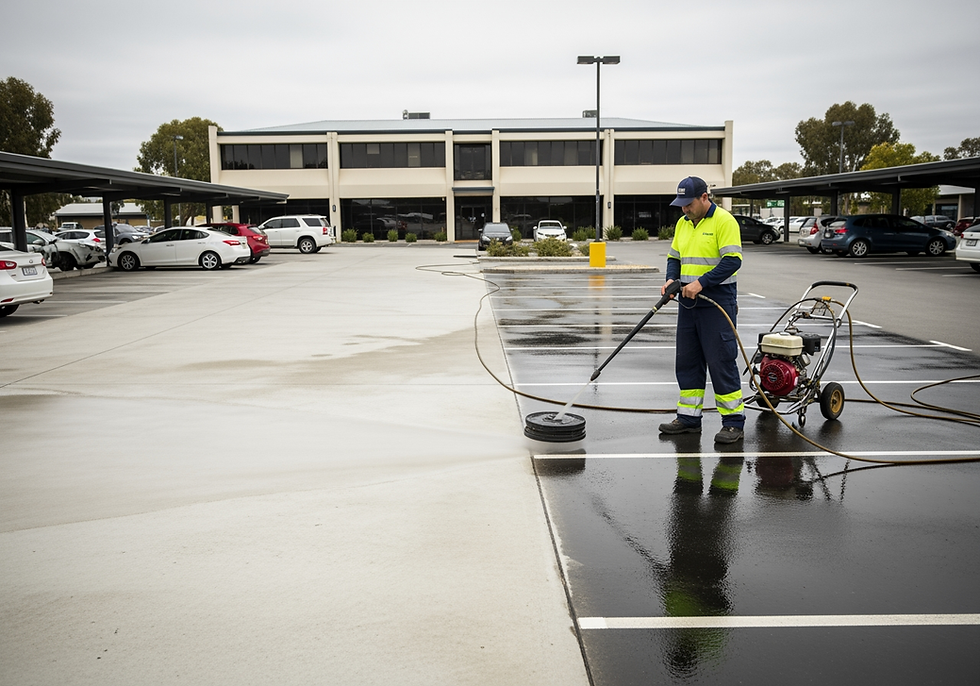
Regular pressure washing removes these accumulated irritants from biofilm accumulation surfaces before they become established colonies. High-pressure cleaning penetrates porous surfaces, extracting embedded mould and biofilm that standard cleaning methods miss.
The Connection Between Gutter Maintenance and Indoor Air Quality
Hidden Mould Growth in Wall Cavities
Most Perth homeowners do not realise that blocked gutters directly impact indoor air quality. When gutters overflow, water infiltrates wall cavities, roof spaces, and foundations, areas where mould grows undetected until respiratory symptoms appear.
Water damage from overflowing gutters creates damp conditions inside wall cavities where mould colonises building materials. These hidden colonies release spores that circulate through homes via air currents and ventilation systems. Occupants breathe these spores continuously without identifying the source of their respiratory symptoms.
Asthma Statistics and Environmental Triggers
The Australian Institute of Health and Welfare reports that one in nine Australians has asthma, with environmental triggers being the primary cause of symptom exacerbation. For these individuals, undetected mould growth from gutter overflow represents a constant health hazard.
Vacuum Cleaning Method Advantages
Proflo's vacuum gutter cleaning method prevents water overflow by thoroughly removing all debris from guttering systems. Unlike blower methods that simply redistribute debris, vacuum extraction eliminates organic material completely, preventing the decomposition process that feeds mould growth.
Creating a Protective Barrier
Regular gutter maintenance creates a protective barrier against water infiltration. Properties with clean, functional guttering systems experience significantly less moisture-related mould growth, resulting in better indoor air quality and fewer mould asthma triggers Perth residents experience.
Pressure Washing: Removing Established Mould Colonies
The Need for Porous Surface Extraction
Once mould establishes on exterior surfaces, removal requires more than surface cleaning and proper porous surface extraction. Mould penetrates porous materials like concrete, rendered walls, and timber, creating root-like structures called hyphae that anchor colonies deep within substrates.
Professional high-pressure cleaning uses controlled water pressure to achieve porous surface extraction and extract embedded mould. The process removes both visible surface growth and subsurface colonies that continue releasing spores after surface cleaning.
Why Complete Removal Matters for Asthma Management
For asthma management, complete mould removal is essential. Partial cleaning that addresses only visible growth leaves subsurface colonies intact, allowing rapid regrowth and continued spore release. This explains why many homeowners experience recurring mould problems despite regular cleaning attempts.
Commercial Equipment Requirements
Pressure washing effectiveness depends on proper technique and equipment for porous surface extraction. Commercial-grade pressure washers deliver 3000-4000 PSI, sufficient force to penetrate concrete and masonry while removing embedded contaminants. Consumer-grade equipment typically produces 1300-2000 PSI, adequate for surface cleaning but insufficient for complete mould extraction.
Perth's Porous Materials Considerations
Perth's porous limestone and rendered homes require particular attention. These materials absorb moisture readily and provide ideal conditions for mould colonisation. Annual pressure washing prevents mould establishment and maintains the protective surface treatments that repel water.
Timing Exterior Cleaning to Prevent Asthma Triggers
Pre-Winter Cleaning (March-April)
Strategic timing of exterior cleaning maximises respiratory health benefits through proper pre-winter cleaning schedule planning. Understanding Perth's seasonal patterns helps property owners schedule maintenance when it provides greatest protection against asthma triggers.
Pre-winter cleaning (March-April) removes accumulated summer dust, pollen, and organic debris before winter rains arrive as part of a pre-winter cleaning schedule. This prevents organic material from decomposing during wet months and eliminates the substrate mould requires for colonisation.
Post-Winter Cleaning (September-October)
Post-winter cleaning (September-October) addresses mould growth that established during rainy months. This timing removes colonies before summer heat causes spore dispersal and prevents contamination from spreading to newly cleaned areas.
Autumn Gutter Maintenance (April-May)
Autumn gutter maintenance (April-May) removes leaf fall before winter rains flush debris into downpipes. Perth's deciduous trees shed leaves between March and May, creating the annual blockage peak that causes most gutter overflow problems.
Twice-Yearly Cleaning for Asthma Sufferers
Properties with asthma sufferers benefit from twice-yearly exterior cleaning following a pre-winter cleaning schedule with post-winter remediation. This schedule maintains consistently low allergen levels and prevents the seasonal symptom spikes many asthma patients experience.
Optimal Timing Recommendations
Proflo recommends scheduling exterior cleaning during Perth's transitional seasons when weather conditions support rapid drying. This prevents moisture retention that could encourage new mould growth immediately after cleaning.
Professional Vs DIY: Safety and Effectiveness Considerations
Safety Equipment and Training
While some exterior cleaning tasks suit DIY approaches, mould remediation and asthma trigger elimination require professional expertise and equipment. Several factors make professional service the safer, more effective choice for respiratory health protection through proper porous surface extraction.
Safety equipment and training protect workers from mould exposure during cleaning. Professional cleaners use respirators, protective clothing, and containment procedures that prevent spore dispersal during removal. DIY attempts often spread spores throughout properties, temporarily worsening air quality and triggering asthma symptoms.
Commercial Equipment Capabilities
Commercial equipment delivers the pressure and volume required for complete porous surface extraction. Consumer-grade pressure washers lack sufficient power to penetrate porous surfaces, resulting in incomplete removal and rapid regrowth.
Technical Knowledge for Surface Protection
Technical knowledge about different surface types prevents damage while ensuring effective cleaning following a pre-winter cleaning schedule. Inappropriate pressure settings or cleaning solutions can damage render, paint, and building materials, creating rough surfaces where mould colonises more readily.
Containment Procedures
Containment procedures prevent contaminated water from spreading to clean areas. Professional cleaners control runoff and prevent cross-contamination that DIY efforts often create.
Health Risk Considerations
For properties with asthma sufferers, professional cleaning eliminates exposure risks associated with DIY mould removal. The temporary cost savings of DIY approaches do not justify the health risks and incomplete results that typically follow.
Commercial Properties and Respiratory Health Compliance
Workplace Health and Safety Obligations
Commercial property managers face additional responsibilities regarding respiratory health and environmental trigger management. Workplace health and safety regulations require employers to maintain environments that do not aggravate pre-existing medical conditions, including asthma.
Commercial buildings with poor exterior maintenance can expose employees and visitors to mould spores, dust, and allergens that trigger respiratory symptoms. This creates potential liability issues and violates duty of care obligations under Australian workplace safety legislation.
Compliance Through Regular Maintenance
Regular commercial cleaning services help property managers maintain compliance with health and safety standards through environmental trigger management. Documented maintenance schedules demonstrate due diligence in environmental trigger management and provide evidence of proactive health protection measures.
High-Traffic Property Requirements
Shopping centres, office complexes, and industrial facilities require particular attention. These properties experience high foot traffic that transports outdoor allergens inside, and their extensive roof and gutter systems accumulate debris that creates significant mould risks.
Professional Standards and Certification
Proflo's commercial maintenance programs provide scheduled exterior cleaning that maintains consistent allergen control. ISO certification and comprehensive insurance coverage give property managers confidence that cleaning services meet professional standards and comply with regulatory requirements.
Creating an Asthma-Friendly Exterior Maintenance Schedule
Quarterly Gutter Inspections
Developing a systematic approach to exterior maintenance provides consistent protection against respiratory triggers through effective environmental trigger management. An effective schedule addresses different surfaces at appropriate intervals based on Perth's seasonal patterns and individual property characteristics.
Quarterly gutter inspections identify blockages before they cause overflow. Properties with overhanging trees require more frequent inspection, particularly during autumn leaf fall.
Bi-Annual Pressure Washing
Bi-annual pressure washing of driveways, paths, and entertainment areas removes biofilm accumulation surfaces contamination and prevents mould establishment. High-traffic areas benefit from more frequent cleaning to manage accumulated dirt and organic matter.
Annual Roof and Wall Cleaning
Annual roof and wall cleaning addresses mould growth on vertical surfaces and removes accumulated debris from roof valleys and low-slope areas where water pools.
Seasonal Outdoor Furniture Cleaning
Seasonal outdoor furniture cleaning before summer entertaining and after winter storage prevents allergen accumulation on items that contact skin and clothing.
Documentation and Record Keeping
Property owners should document cleaning activities and maintain records of service dates and areas addressed. This documentation helps identify problem areas requiring more frequent attention and provides evidence of proactive maintenance for insurance and health purposes.
Conclusion
Exterior cleaning represents a crucial but often overlooked component of asthma management in Perth homes through addressing mould asthma triggers Perth families face.
Environmental triggers that develop on gutters, walls, driveways, and outdoor surfaces directly impact indoor air quality and respiratory health, particularly during Perth's wet winter months.
Professional exterior maintenance eliminates these triggers at their source through porous surface extraction, preventing mould colonisation and allergen accumulation before they affect indoor environments. Regular gutter cleaning prevents water overflow that causes hidden mould growth in wall cavities, while pressure washing removes established colonies from porous exterior surfaces.
For Perth families managing asthma, strategic exterior cleaning following a pre-winter cleaning schedule around seasonal weather patterns provides consistent protection against environmental triggers. Pre-winter preparation removes organic debris before decomposition begins, and post-winter remediation addresses any mould growth that established during rainy months.
The 33+ years of experience that Proflo brings to exterior cleaning ensures thorough allergen removal using professional equipment and containment procedures. Vacuum gutter cleaning systems prevent spore dispersal during debris removal, and commercial-grade pressure washing equipment delivers the force required for complete porous surface extraction from porous surfaces.
Property owners concerned about respiratory health should view exterior maintenance as preventative healthcare rather than cosmetic improvement. The investment in professional cleaning delivers measurable health benefits through reduced asthma symptoms, fewer medication requirements, and improved quality of life for affected family members.
Contact Proflo on 08 6150 5924 to schedule an exterior cleaning assessment and develop a maintenance program that protects your family's respiratory health year-round. Professional exterior maintenance creates the foundation for healthier indoor environments and gives Perth families the clean, allergen-free homes they deserve.


Comments