Perth's Wattle Season: Why Gutters Fill Faster in Spring
- Apr 20
- 8 min read

Between August and November, something changes across Perth's suburban streets. Gutters that were clear after the last winter clean begin filling faster than at any other time of year. The culprit is not the usual suspects - it is wattle season.
Wattle season gutters across Perth face a challenge that eucalyptus leaves and pine needles simply don't replicate. These native trees produce three distinct types of debris simultaneously: fine pollen, flower clusters, and woody seed pods.
Each type behaves differently, and together they create conditions that overwhelm drainage systems faster than any other debris combination.
Spring gutter cleaning Perth homeowners delay until after wattle season often becomes a costly mistake. By the time flowers have finished falling, accumulated debris has compacted into dense masses, stained exterior surfaces, and created fire hazards heading into summer.
Understanding how wattle debris behaves - and when to act - protects your property from water damage during spring rains and fire risk as Perth temperatures begin to climb.
Why Wattle Season Creates Unique Gutter Problems
Three Types of Wattle Debris
Wattle trees produce three types of debris that cause gutter blockages at the same time. Understanding each type explains why spring gutter maintenance Perth properties require is unlike any other seasonal cleaning challenge.
First, bright yellow pollen coats everything during peak flowering. This fine powder settles into gutters, mixes with morning dew, and creates a sticky paste that traps other debris. Unlike dry leaf fall, pollen acts as an adhesive that binds everything it contacts.
Second, flower clusters fall in large volumes over four to six weeks. A single mature wattle can drop thousands of flower heads during this period. Fresh flowers contain moisture and begin decomposing quickly, creating a sludge-like material in gutter channels that blocks water flow progressively.
Third, woody seed pods follow the flowers. These pods don't break down easily and create physical barriers that trap leaves, twigs, and additional debris behind them. The combination of adhesive pollen, decomposing flowers, and rigid seed pods creates perfect conditions for complete gutter blockages within a matter of weeks.
How Wattle Pollen Behaves Differently to Other Debris
Wattle pollen gutters experience behave unlike anything eucalyptus leaves or pine needles produce. Standard debris sits in gutters and can be flushed during rainfall. Wattle pollen fundamentally changes the composition of every piece of material it contacts.
The pollen acts as glue. Leaves that would otherwise wash through downpipes become stuck together by pollen residue. This binding effect means a relatively thin layer of wattle debris creates the same blockage as a much larger volume of unfused material. Most gutter guards also fail during wattle season - fine pollen penetrates mesh screens and glues debris directly to the guard surface, defeating the entire purpose of the installation.
Perth's Wattle Species and Their Shedding Timeline
Perth's suburbs contain several wattle species, each with slightly different flowering periods. Proflo has serviced properties across the Perth metro for over 33 years, observing how these overlapping timelines affect accumulation across different suburbs.
Acacia saligna (golden wreath wattle) dominates coastal areas and flowers heavily from August to October. Acacia pulchella (prickly moses) begins flowering from July in some suburbs. Acacia cyclops extends the problem period into November near eastern suburbs and bushland reserves. The result is a continuous wattle debris window from July through November - not a brief seasonal event but a four-month maintenance challenge. Spring gutter maintenance Perth homeowners plan around needs to account for this entire window to be effective.
How Wattle Debris Damages Perth Properties
Accelerated Blockage During Spring Rains
Wattle season gutters accumulate material faster than any other debris type. Perth's October rainfall pattern makes this timing particularly hazardous. The first significant spring rain often arrives as a heavy downpour rather than a gradual shower, hitting gutters that are already carrying compacted wattle debris.
When these storms hit blocked gutters, water overflows immediately. The overflow runs down exterior walls, soaks into brickwork, and can penetrate behind cladding into wall cavities. Early warning signs are subtle: damp patches on interior walls, ceiling stains, and musty odours often indicate water has been entering the property for weeks before the damage becomes visible.
Water Damage Risks from Blocked Gutter Overflow
Blocked gutter overflow from wattle debris creates cascading problems across multiple parts of a property. Water backing up in gutters sits stagnant, accelerating rust in metal gutter systems. The weight of water-logged wattle material also pulls gutters away from fascia boards, requiring both structural repairs and replacement.
Properties near bushland reserves in areas like Rockingham, Kwinana, and Cockburn face the highest risk due to proximity to wattle-dense native vegetation. Seed pods that wash into downpipes are particularly damaging - they are too large to pass through standard drainage outlets and create solid blockages that require professional extraction.
Professional gutter maintenance removes wattle seed pods, decomposed flower material, and pollen residue from both gutters and downpipes before rain events trigger overflow damage. Addressing accumulation before spring storms provides far better protection than reactive cleaning after water has already entered walls and ceilings.
Fire Risk as Spring Transitions to Summer
Perth's bushfire season extends into November, overlapping directly with late wattle debris accumulation. Dry wattle flowers and seed pods are highly combustible. Properties near bushland face elevated fire risk when gutters contain this dried material during the hot, windy days that arrive from October.
Embers from distant fires can travel several kilometres. Early wattle debris that fell in August becomes completely dry by November, creating maximum fire hazard conditions heading into summer. Dry leaf fire risk intensifies when wattle material combines with eucalyptus bark already present from the preceding summer - two high-fuel debris types sitting together in a dry gutter during ember attack conditions.
Why Waiting Until After Wattle Season Backfires
Fresh vs Compacted Wattle Material
Some property owners delay gutter cleaning until after wattle season ends, expecting a single clean to resolve months of accumulated debris. This approach creates problems that outweigh any perceived cost saving.
Fresh wattle material removes relatively easily using vacuum systems. Material that has sat for two to three months compacts into dense masses that require significantly more time and effort to extract. The sticky pollen acts as a binding agent throughout this period, progressively consolidating all debris into cement-like blockages that bond to gutter surfaces.
Blocked gutter overflow also occurs throughout the waiting period. Every rain event with blocked gutters increases water damage exposure. Structural damage, rust, and staining compound with each subsequent wet weather event while cleaning is being deferred.
The Cost of Delayed Cleaning
Delayed spring gutter maintenance Perth properties eventually need often costs more than two timely preventative cleans would have. Emergency repairs to water-damaged walls, rusted gutter sections, and displaced fascia boards can run into thousands of dollars. Wattle debris that dries and bonds to metal surfaces also increases cleaning time and therefore service cost considerably.
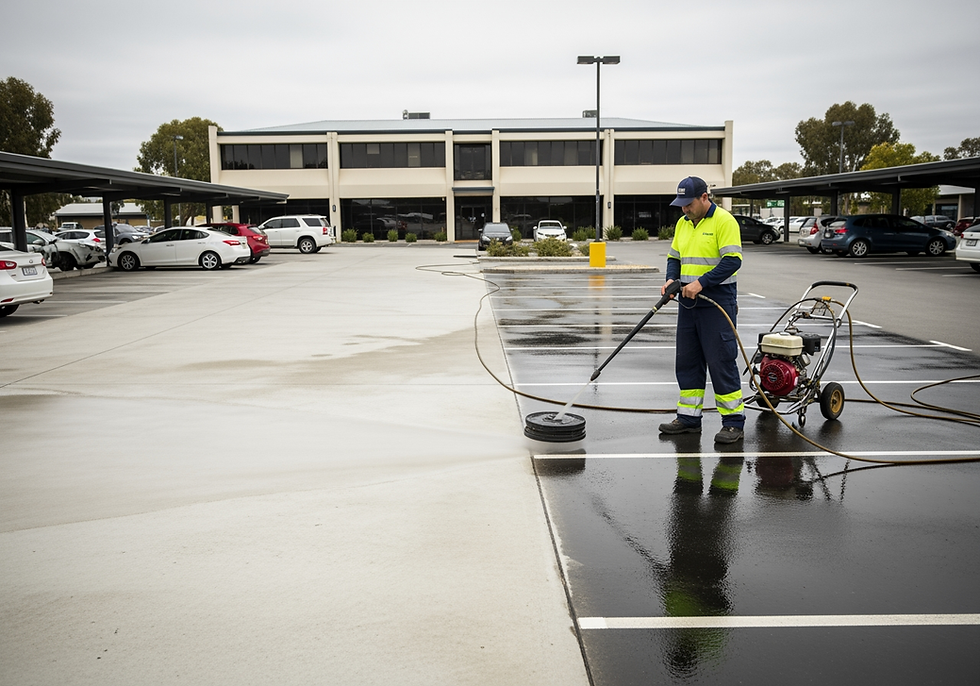
Pressure washing services can address external staining on walls, driveways, and paths caused by overflowing gutters - but preventing the overflow in the first place eliminates the staining problem entirely. Proactive maintenance before peak wattle season is consistently the more cost-effective approach for Perth homeowners.
Professional Cleaning vs DIY During Wattle Season
Why DIY Methods Struggle with Sticky Wattle Debris
DIY gutter cleaning during wattle season is more demanding than at any other time of year. The sticky, compacted nature of wattle material makes manual removal difficult and messy. Homeowners using scoops or trowels often spread pollen across roof tiles, where it stains terracotta and concrete surfaces. The pollen also triggers allergies and respiratory reactions in many people, creating health risks during extended DIY attempts.
Ladder safety becomes more critical during wattle season. Pollen residue makes gutter surfaces slippery, and Perth records numerous ladder-related injuries each spring. Most DIY attempts also miss downpipe clearing entirely - leaving seed pod blockages in place even after gutter channels appear clean from ground level.
How Vacuum Systems Handle Wattle Material
Vacuum gutter cleaning provides the most effective solution for wattle debris. Industrial vacuum systems generate powerful suction that extracts compacted wattle material completely - including the sticky pollen that defeats manual cleaning and standard water flushing. The sealed collection system captures all debris, including fine pollen particles, without spreading it across roof tiles, gardens, or pathways.
Vacuum gutter cleaning also includes complete downpipe clearing to remove seed pods and compacted material from vertical sections. Professional technicians operate from ground level for most single-storey Perth homes, removing the ladder risk entirely and delivering a faster, cleaner result than any DIY approach.
The Solar Panel Connection During Wattle Season
Properties with rooftop solar panels face a compounded problem during wattle
season. Pollen settles directly onto panel surfaces, reducing light absorption and cutting energy output significantly. Solar panel cleaning during the same service visit as gutter maintenance removes the wattle pollen and flower residue that can reduce panel efficiency by up to 30%. Combining both services in a single appointment addresses the full seasonal impact on both drainage and energy systems.
Commercial Property Challenges During Wattle Season
Larger Roof Areas and Liability Risks
Commercial properties face proportionally greater challenges during wattle season. Shopping centres, office buildings, warehouses, and industrial facilities have larger roof areas that collect more debris, and more complex gutter systems with additional failure points. Water overflow on commercial sites can damage stock, create slip hazards in car parks, and compromise structural integrity.
Commercial cleaning services provide scheduled maintenance programs for Perth businesses, strata managers, and property management firms - ensuring drainage systems function properly before and after peak wattle season. Large-scale commercial sites near bushland reserves in Perth's southern and eastern industrial corridors also face elevated ember attack risk from accumulated dry wattle debris heading into summer.
Documented Maintenance for Insurance and Compliance
Property managers benefit from documented maintenance schedules. Regular professional cleaning creates records that demonstrate appropriate property care, supporting insurance claims and satisfying body corporate and strata obligations. Commercial properties near wattle-dense bushland often need quarterly gutter cleaning to maintain fire safety compliance and valid insurance coverage throughout the year.
Your Spring Gutter Maintenance Schedule
The Three-Point Timing Approach for Perth Properties
The most effective schedule for wattle season gutters uses three specific timing points across Perth's spring calendar. First, clean in July before wattle flowering begins. This removes accumulated winter debris and ensures gutters start spring in clear condition - meaning wattle debris has less existing material to bind with when it begins falling.
Second, inspect gutters in mid-September during peak wattle season. Properties surrounded by dense Acacia saligna or located near native bushland reserves may develop significant blockages between scheduled services. An interim clean at this point prevents overflow during October's unpredictable rain events.
Third, complete a thorough clean in November after wattle season ends but before summer heat and fire risk peak. This removes all combustible material and prepares drainage for early summer storms.
Adapting the Schedule to Your Property's Exposure
Spring gutter cleaning Perth properties need varies based on proximity to wattle trees and surrounding native vegetation. Properties adjacent to bushland reserves or parks in Perth's eastern and southern suburbs may need the full three-point schedule annually. Those with fewer wattle trees nearby typically manage with July and November cleans. Post-storm inspections also help catch rapid accumulation after strong spring winds.
Conclusion
Perth's wattle season creates a gutter challenge that no other tree species replicates. Adhesive pollen, decomposing flowers, and woody seed pods combine to block drainage faster than any other debris type. The timing coincides with spring rains and leads directly into bushfire season, creating both water damage and fire hazard risks for Perth properties.
Vacuum gutter cleaning removes wattle debris more effectively and more safely than DIY methods or manual clearing. A proactive spring gutter maintenance Perth schedule - cleaning before wattle season and again after peak flowering - consistently costs less than repairing water-damaged walls or replacing stained and rusted gutter systems.
Call 08 6150 5924 to arrange your spring gutter service with Proflo. With over 33 years of experience across Perth properties, their team removes all wattle debris completely - protecting your home from both seasonal water damage and summer fire risk.


Comments