Hail Damage to Gutters and Roofs: Assessment Guide for Perth Properties
- Mar 23
- 11 min read

Perth's summer storms can turn violent with little warning. One moment dark clouds roll in. The next, ice pellets hammer your roof at speed. Hailstones ranging from pea-sized to golf ball-sized strike Perth properties every storm season, leaving behind damage that threatens your home's structural integrity.
Most Perth homeowners underestimate hail damage to gutters and roofing systems. Small dents might seem harmless on the surface. However, they create weak points where rust starts within weeks. Cracked tiles let water seep into your ceiling cavity during the next rainfall. What looks like minor surface damage often signals deeper problems that cost thousands to repair when left unchecked.
Understanding how to assess hail damage gutters and roofing quickly helps you act before minor issues become major repairs. This guide walks through identifying damage to gutters, downpipes, and roof surfaces after Perth hailstorms. It also covers when professional storm damage assessment makes more sense than handling checks yourself.
How Hail Damages Perth Gutters and Roofing Systems
Hailstones strike your roof at speeds up to 160 km/h during severe storms. The impact force depends on hail size, wind speed, and what materials protect your home.
Gutter Damage Patterns
Colorbond gutters dent easily under hail impact. These dents trap water and debris, creating rust spots within weeks. Older steel gutters often crack at seams where hail strikes weakened joints. PVC guttering can crack completely when large hailstones hit brittle sections.
The damage is not always obvious from ground level. Small dents fill with leaf debris and hold moisture against the metal. This trapped water accelerates gutter corrosion far faster than normal wear. Within six months, a simple dent can rust through completely. Dented gutters become progressively worse with each subsequent storm.
Roof Material Vulnerabilities
Terracotta and concrete tiles crack under direct hail strikes. The cracks might be hairline-thin at first. They widen as tiles expand and contract with Perth's temperature swings between 40°C summer days and cool winter nights. Water penetrates these cracks during winter rains, damaging sarking and roof timbers underneath.
Metal roofing dents rather than cracks under hail impact. Colorbond roofs show obvious dimpling after severe hailstorms. These dents compromise the protective coating, exposing bare metal to moisture. Hail damage to roof tiles and metal surfaces demands prompt attention in Perth's coastal humidity.
Asbestos roofs - still present on some older Perth properties - become extremely dangerous after hail damage. Cracks release harmful fibres into the air. Never inspect damaged asbestos roofing yourself. Licensed professional assessment is essential for safety and compliance.
Immediate Post-Storm Safety Assessment
Your safety comes before property inspection. Wait until the storm passes completely and conditions are safe before checking any damage.
Ground-Level Visual Checks
Walk your property perimeter and look up at gutters and rooflines. Use binoculars to spot obvious damage without climbing ladders.
Look for:
Visible dents or deformities in gutter profiles
Displaced or cracked roof tiles
Hanging or separated gutter sections
Water stains on exterior walls below gutters
Debris accumulation in valleys and gutter corners
Take photos from multiple angles. These document damage for insurance claims and help professionals assess severity before visiting your property. Date-stamp all images for insurance purposes.
What Not to Do After Hailstorms
Do not climb onto wet roofs after storms. Hail-damaged tiles become slippery and structurally unstable. Even experienced tradespeople wait for dry conditions before roof access.
Do not attempt high-pressure cleaning on gutters immediately after hailstorms. Pressurised water can worsen cracks in already damaged materials. Wait for a professional storm damage assessment before any cleaning takes place.
Do not ignore small visible damage. Minor dents and hairline cracks worsen rapidly in Perth's climate. Early assessment prevents expensive gutter repair in Perth down the track.
Detailed Gutter Damage Inspection Points
Once conditions are safe, systematic inspection reveals the full extent of hail damage to your gutter system.
External Gutter Assessment
Check gutter faces for denting patterns. Multiple small dents across a section indicate widespread hail impact. Large isolated dents suggest concentrated strikes from bigger hailstones. Both types of dented gutters need assessment for coating damage.
Examine gutter brackets and mounting points carefully. Hail impact can loosen screws or crack mounting brackets. Loose gutters sag and create water pooling issues that compound the original hail damage.
Inspect downpipe connections where they meet gutters. Hail often damages these joints, creating leak points. These weak connections direct water against your home's foundations during heavy rain.
Internal Gutter Condition
Look inside gutters for cracks in the base. Hail punches through weakened sections, creating holes that leak water behind fascia boards. These hidden leaks cause serious timber damage that remains invisible until rot is advanced.
Check for paint or coating damage inside gutters. Exposed metal rusts quickly in Perth's conditions. Even small coating chips from hail accelerate gutter corrosion in the surrounding area.
Examine gutter valleys and corners closely. Hail debris accumulates in these spots, trapping moisture. Clean these areas carefully during inspection to assess the underlying damage beneath.
Downpipe Damage Indicators
Dented gutters are obvious, but dented downpipes restrict water flow less visibly. Run water through downpipes to check drainage speed. Slow drainage indicates internal crushing from hail impact.
Check downpipe mounting clips along their length. Hail loosens clips, causing downpipes to separate from walls. Loose downpipes direct water incorrectly, damaging gardens and foundations.
Inspect ground-level downpipe outlets for cracks. Hail can damage PVC outlet fittings, causing water to pool against your home rather than draining away properly.
Roof Damage Assessment Techniques
Roof inspection requires careful attention to specific damage patterns that confirm hail impact versus normal wear.
Tile and Shingle Inspection
Walk around your property looking for cracked or displaced tiles. Hail often breaks tiles on the side facing prevailing winds. North-facing and west-facing roof sections typically show the most damage during Perth storms.
Check for tile fragments in gutters and on the ground. These pieces confirm impact damage. Collect samples for your insurance documentation file.
Look for subtle cracks that have not fully broken tiles yet. These hairline cracks leak during rain but are difficult to spot from ground level. Professional gutter cleaning in Perth often reveals cracked hail damage to roof tiles during routine maintenance visits.
Metal Roof Damage Signs
Dented metal roofing shows a distinctive dimpled pattern after hailstorms. Check for coating damage around each dent. Scratched or chipped protective coatings expose metal to moisture and accelerate rust.
Examine roof valleys where two planes meet. Hail concentrates in these areas, causing more severe damage. Water pools in valley dents, accelerating rust formation through sustained moisture contact.
Inspect flashing around chimneys, vents, and skylights. Hail damages these vulnerable transition points, creating leak paths directly into your ceiling cavity.
Underlying Structure Concerns
Water stains on ceilings indicate roof penetration has already occurred. Check your ceiling for any new discolouration after hailstorms. Even small stains signal serious roof damage that needs immediate attention.
Inspect your roof space from inside if you can access it safely. Look for water marks on sarking and timbers. Wet insulation indicates active leaks from hail-damaged roofing above.
Check for daylight visible through gaps in roof tiles. These gaps let water and pests enter your roof space between storms.
Perth-Specific Hail Damage Considerations
Perth's climate creates unique challenges for hail-damaged properties that differ from eastern states.
Coastal Gutter Corrosion Acceleration
Properties within 10km of Perth's coast face accelerated gutter corrosion after hail damage. Salt-laden air attacks exposed metal wherever hail breaks protective coatings. Rust develops within weeks rather than the months you might expect inland.
Suburbs like Rockingham, Fremantle, and Cottesloe need prompt attention. Regular inspection becomes critical for coastal properties after any hail event. Small dents need immediate treatment to prevent rapid deterioration.
Summer Heat Impact on Damaged Materials
Perth's intense summer heat expands damaged metal, widening cracks and gaps created by hail. Temperature cycling between 40°C days and 20°C nights stresses damaged materials repeatedly through expansion and contraction.
Hail-damaged tiles crack further as they expand and contract with these temperature swings. A storm damage assessment conducted in winter might miss cracks that only open fully during summer heat.
Storm Season Timing
Perth's severe storms typically strike between November and March. Hail damage discovered in autumn gives limited time for gutter repair in Perth before winter rains arrive. Delays mean water enters through damaged sections for months.
Early assessment after summer storms allows repairs before winter. Delayed inspection means water damage compounds through Perth's wettest months from June through August.
Native Vegetation Factors
Gumtrees drop branches during hailstorms, causing additional impact damage on top of hail strikes. Assess for both hail denting and branch strike damage on your gutters.
Leaf debris traps moisture in dented gutters after storms. Perth's eucalyptus leaves create acidic mulch that accelerates gutter corrosion in damaged sections far faster than clean, undamaged guttering.
Professional Assessment vs DIY Inspection
Understanding when to call professionals protects both your safety and your property from further damage.
When DIY Assessment Works
Ground-level visual inspection suits most homeowners as a first step. You can safely document obvious damage using binoculars and a camera. This initial assessment helps you understand the scope of the problem.
Checking accessible gutters from a stable ladder works if you are comfortable with heights. Limit your inspection to sections you can reach safely without overextending.
Running water through downpipes to test drainage requires no special equipment. This simple check reveals internal crushing from hail impact that you cannot see from outside.
When Professional Storm Damage Assessment Is Essential
Two-storey homes need professional roof access equipment. Climbing extension ladders onto hail-damaged roofing risks serious injury from unstable surfaces.
Tile roofs require professional inspection after any significant hailstorm. Walking on damaged tiles breaks them further, creating more extensive and expensive repairs.
Metal roofs need expert assessment to distinguish cosmetic denting from structural damage. Professionals measure dent depth and check coating integrity to determine repair urgency.
Properties with asbestos roofing must only be assessed by licensed professionals. Disturbing damaged asbestos releases dangerous fibres that pose serious health risks.
Insurance claims often require professional damage reports. Independent assessors provide the documentation insurers need to process claims successfully.
Professional Equipment Advantages
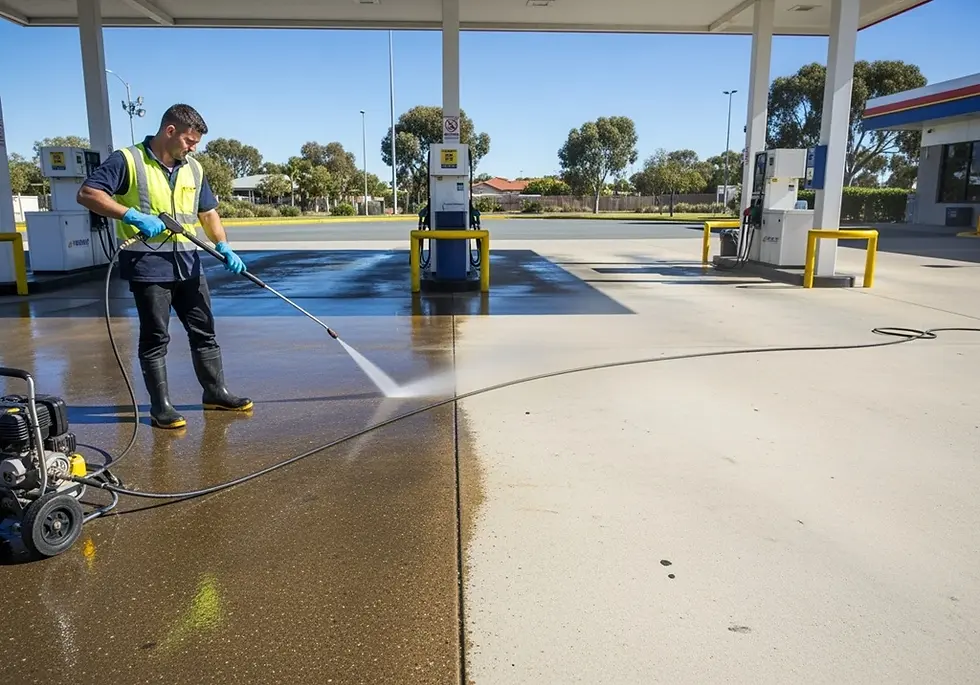
Advanced vacuum cleaning systems reveal internal gutter damage that debris normally hides. The vacuum removes hail-deposited debris whilst technicians inspect for cracks and holes underneath. Pressure washing services also clear external surfaces of hail debris from driveways and paths without affecting damaged guttering.
Thermal imaging cameras detect water penetration invisible to visual inspection. Wet insulation and timbers show clearly on thermal scans, pinpointing exactly where leaks occur.
Moisture meters measure water content in roofing materials with precision. These readings confirm whether damage has caused active leaks or remains surface-level.
Insurance Claims and Documentation Requirements
Proper documentation often determines whether your insurance claim succeeds or fails after hail events.
Immediate Documentation Steps
Photograph damage from multiple angles within 24 hours of the storm. Include wide shots showing your whole property and close-up images of specific damage. Date-stamp all photos automatically through your smartphone settings.
Photograph undamaged sections for comparison. This contrast between affected and unaffected areas strengthens your claim by showing the storm's impact clearly.
Keep hailstone samples if possible. Freeze large hailstones to document their size for insurance assessors who visit days later.
What Insurance Assessors Look For
Impact patterns prove hail damage rather than age-related wear. Multiple dents facing the same direction indicate genuine storm damage from a single event.
Fresh damage shows clean metal or bright cracks. Rusty dents suggest pre-existing damage that insurers typically will not cover under storm claims.
Consistent damage across your property confirms widespread hail impact. Isolated damage in one area might be questioned as maintenance-related rather than storm-caused.
Professional Assessment Reports
Independent building inspectors provide detailed reports that insurance companies accept. These reports document damage extent, estimated repair costs, and urgency ratings.
Roofing contractors provide repair quotes that support your claim. Multiple quotes from different providers strengthen insurance submissions by showing consistent pricing.
Professional gutter damage assessment produces detailed inspection reports documenting the full extent of hail impact on your drainage system. These specialist reports cover areas general building inspectors sometimes overlook.
Repair Priorities and Timing
Not all hail damage demands immediate repair. Prioritising based on severity helps you manage costs and protect your property from the worst consequences.
Critical Repairs Within Days
Holes in gutters need immediate patching. Even small holes let water damage timber and ceiling materials during the next rainfall event.
Separated downpipes must be reattached quickly. Loose downpipes direct water against foundations, creating structural problems that cost far more than the original gutter repair in Perth.
Cracked tiles over living spaces require urgent replacement. Water entering your ceiling cavity damages insulation, electrical wiring, and plaster.
Important Repairs Within Weeks
Dented gutters need assessment and repair before debris accumulates inside the dents. The dents trap leaves and hold moisture, accelerating damage with each rain event.
Coating damage on metal surfaces should be treated promptly.
Touch-up paint prevents rust from establishing in exposed areas.
Loose gutter brackets need tightening before Perth's winter rains. Sagging gutters overflow during heavy rainfall, compounding the original hail damage.
Planned Repairs Within Months
Cosmetic denting on metal roofs can wait if protective coatings remain intact. Schedule these repairs during dry months for better working conditions and results.
Minor tile cracks without active leaks can be monitored through regular checks. Replace during planned maintenance rather than paying emergency repair rates.
Gutter system upgrades can incorporate hail damage repairs efficiently. Consider replacing entire damaged sections rather than patching if your gutters are older than 20 years.
Preventative Measures for Future Hail Events
Perth will continue experiencing severe hailstorms. Protecting your property before the next event reduces damage and keeps repair costs manageable.
Gutter Protection Systems
Quality gutter guards deflect some hail impact energy. Mesh guards spread force across wider areas, reducing the severity of individual dents on the gutter beneath.
Reinforced gutter brackets withstand storm impact better than standard fittings. Upgraded mounting prevents gutter separation during severe weather events.
Thicker gauge guttering resists denting more effectively. Consider upgrading to heavier materials when replacing hail-damaged sections.
Vegetation Management
Trim overhanging branches before storm season arrives each year. Branches become dangerous projectiles during hailstorms, causing additional damage on top of hail strikes.
Remove dead trees near your property. Storm winds combined with hail bring down weakened trees onto roofing and guttering.
Keep gutters clean year-round through regular maintenance.
Debris-free gutters drain properly even when dented, significantly reducing water damage from hail-affected sections.
Storm Preparation Checklist
Check gutter condition before each storm season begins
Secure loose ridge capping and flashing on your roof
Document your property's pre-storm condition with photographs
Review your insurance policy for hail damage coverage details
Identify a trusted commercial cleaning services provider for larger properties or arrange residential gutter maintenance
Long-Term Impact of Untreated Hail Damage
Ignoring hail damage creates cascading problems that multiply repair costs over time.
Corrosion Progression
Small dents rust through within 12 months in Perth's climate. What starts as cosmetic damage becomes holes requiring complete gutter replacement.
Rust spreads from impact points along gutter seams. A few dented sections eventually compromise entire gutter runs if left untreated.
Corroded gutters stain your home's exterior walls. Rust streaks damage paint and brickwork below affected gutter sections.
Water Damage Escalation
Leaking gutters direct water behind fascia boards where it remains hidden. This water rots timber before you notice any visible problems inside or outside your home.
Ceiling leaks from cracked tiles damage plaster and electrical wiring. Repair costs multiply rapidly when water affects internal building systems.
Foundation damage from misdirected downpipes causes structural issues that affect your entire home. Fixing foundations costs tens of thousands compared to hundreds for prompt gutter repairs.
Property Value Impact
Visible hail damage reduces property appeal to buyers. Dented gutters and damaged roofing signal maintenance neglect during inspections.
Building inspections reveal untreated storm damage clearly. Buyers negotiate significant price reductions or walk away from properties with deferred maintenance.
Insurance becomes harder to obtain for properties with documented unrepaired storm damage. Insurers view these properties as higher risk and adjust premiums accordingly.
Protecting Your Perth Property After Hailstorms
Hail damage to Perth gutters and roofs demands prompt assessment and appropriate response. What appears as minor cosmetic denting often conceals serious structural issues that worsen rapidly in Perth's harsh climate.
Ground-level inspection reveals obvious damage, but professional storm damage assessment uncovers hidden problems that threaten your property. Document all damage thoroughly within 24 hours of hailstorms to support insurance claims. Prioritise repairs based on urgency - holes and cracks need immediate attention whilst cosmetic issues can wait for planned maintenance.
Protect your property with regular gutter and downpipe cleaning and prompt hail damage repairs. Proflo has over 33 years of experience assessing storm damage across Perth properties. Call 08 6150 5924 for a free hail damage assessment and tailored repair recommendations.


Comments