How Exterior Mould Affects Indoor Air Quality in Perth Homes
- Mar 20
- 11 min read
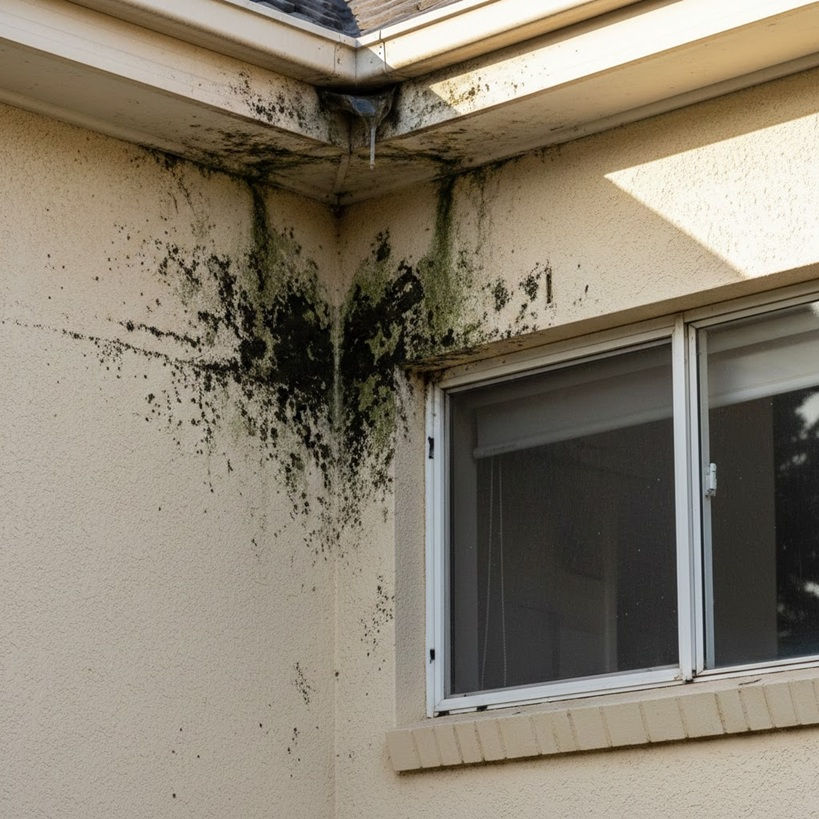
Most Perth homeowners inspect their interiors for mould after noticing musty odours or respiratory issues, yet the source often lurks outside. Exterior mould growing on walls, gutters, and rooflines does not stay contained; it infiltrates homes through microscopic pathways, degrading indoor air quality and creating health risks that persist year-round. Understanding exterior mould air quality Perth concerns helps protect families from these hidden hazards.
Perth's Mediterranean climate creates ideal conditions for exterior mould growth. The combination of coastal humidity, winter rainfall averaging 733mm annually, and minimal air circulation around shaded building exteriors allows mould colonies to establish themselves on rendered walls, timber fascias, and blocked gutters. Once established, these colonies release millions of airborne spores that penetrate homes through gaps, ventilation systems, and porous building materials.
The Direct Pathway: How Exterior Mould Enters Perth Homes
Microscopic Spore Size and Penetration Capability
Exterior mould does not require large openings to affect indoor environments through spore infiltration pathways. Mould spores measure 3-10 micrometres in diameter, small enough to pass through standard window seals, door frames, and air conditioning units. A single square metre of mould-affected exterior wall can release over 100 million spores daily during Perth's humid winter months.
Deteriorating Seals and Building Envelope Penetration
Window and door seals deteriorate under Perth's intense UV exposure, creating microscopic gaps that enable building envelope penetration. When exterior walls harbour mould colonies near these compromised seals, spores enter homes through pressure differentials created by air conditioning systems and natural ventilation. Properties in coastal suburbs like Cottesloe and Scarborough face accelerated seal degradation from salt exposure, compounding the infiltration risk.
Air Conditioning System as Spore Distribution Network
Air conditioning systems draw outdoor air through external vents positioned on building exteriors. When mould grows near these intake points, particularly common on north-facing walls shaded by eaves, spores enter the HVAC system directly through these spore infiltration pathways. The moist environment inside air conditioning ducts then provides secondary growth sites, amplifying the initial contamination.
Roof and Wall Cavity Connections
Roof cavities and wall cavities connect exterior and interior environments through ventilation gaps and service penetrations, allowing building envelope penetration. Mould growing on fascia boards, in blocked gutters, or beneath compromised roof tiles releases spores into these concealed spaces. These spores then migrate through ceiling fixtures, downlights, and wall cavities into living areas.
Proflo has helped Perth property owners eliminate exterior mould sources for over 33 years through systematic maintenance. Professional gutter cleaning services address one of the most common exterior mould sources. Blocked gutters create standing water that supports persistent mould growth directly adjacent to roof cavities and external walls.
The Health Impact: What Exterior Mould Does to Indoor Air Quality
The World Health Organisation identifies indoor mould exposure as a significant respiratory health impact concern, yet most studies focus on visible interior growth. Exterior mould air quality Perth problems affecting indoor environments create similar health impacts through less obvious spore infiltration pathways.
Respiratory Responses
Respiratory responses occur when mould spores enter airways. Perth residents with asthma report 40% more frequent symptoms during winter months when exterior mould growth peaks. The spores trigger inflammatory responses in bronchial passages, causing coughing, wheezing, and chest tightness. Children and elderly residents face heightened vulnerability due to developing or compromised immune systems, experiencing greater respiratory health impact.
Allergic Reactions
Allergic reactions manifest as sneezing, runny nose, itchy eyes, and skin irritation. These symptoms often worsen overnight when residents close windows and doors, concentrating indoor spore levels. Many Perth homeowners attribute these symptoms to pollen or dust, not recognising that exterior mould infiltration drives their discomfort.
Long-Term Exposure Effects
Long-term exposure effects include chronic sinusitis, persistent fatigue, and cognitive impacts. A 2022 Curtin University study found that Perth homes with significant exterior mould growth showed indoor air quality measurements 3.2 times worse than homes with clean exteriors, even when no visible interior mould existed, demonstrating clear respiratory health impact from exterior sources.
Risks for Immunocompromised Individuals
Immunocompromised individuals face serious risks from any mould exposure. For Perth residents undergoing chemotherapy, managing autoimmune conditions, or taking immunosuppressant medications, exterior mould infiltration can trigger opportunistic infections requiring medical intervention.
Perth's Climate: Why Exterior Mould Thrives Here
Winter Rainfall Patterns
Perth's weather patterns create a seasonal mould cycle that most residents do not recognise. Understanding these patterns explains why exterior mould remains a persistent air quality threat despite the city's reputation for sunshine, with coastal humidity conditions playing a significant role.
Winter rainfall from May through September delivers the moisture mould requires. While Perth's annual rainfall totals remain modest compared to eastern states, the concentration of 80% of annual rain into five months creates extended periods of surface dampness on building exteriors. North-facing walls under eaves can remain damp for weeks, allowing mould colonies to establish and expand with significant respiratory health impact potential.
Coastal Humidity Conditions
Coastal humidity conditions affect suburbs within 15 kilometres of the ocean throughout the year. Morning dew and sea mist deposit moisture on exterior surfaces, supporting mould growth even during Perth's dry summer months. Properties in Fremantle, North Beach, and Hillarys show year-round exterior mould presence on shaded walls and gutters due to coastal humidity conditions.
Minimal Air Circulation Around Buildings
Minimal air circulation around many Perth homes compounds moisture retention. Dense landscaping, close-proximity fencing, and architectural features like enclosed alfresco areas trap humid air against building exteriors. These microenvironments maintain the 70%+ relative humidity that mould requires, creating growth conditions that persist between rainfall events.
Summer Heat and Mould Dormancy
Summer heat does not eliminate established mould colonies; it drives them into dormancy. When autumn rains return, these dormant colonies reactivate within 24-48 hours, immediately resuming spore production. This cycle means exterior mould represents a recurring air quality threat rather than a seasonal nuisance.
Perth's Unique Challenges
The combination of these factors makes Perth particularly challenging for exterior mould air quality Perth control. Properties require proactive maintenance rather than reactive cleaning to protect indoor air quality effectively.
Common Exterior Mould Sources on Perth Properties
Blocked Gutters as Major Mould Reservoirs
Identifying where exterior mould grows helps homeowners understand their specific air quality risks. Proflo encounters these common sources across Perth's diverse property types.
Blocked gutters create the most significant mould reservoirs. Leaf debris from Perth's abundant eucalyptus, jacaranda, and peppermint trees combines with moisture to form a nutrient-rich environment where mould thrives. A standard residential gutter system can hold 15-20 kilograms of decomposing organic matter supporting extensive mould colonies. These colonies sit directly adjacent to roof cavities and fascia boards, providing direct pathways into homes.
Rendered and Painted Wall Growth
Rendered and painted exterior walls develop mould growth in shaded areas, particularly on south-facing walls that receive minimal direct sunlight. The porous nature of render and weathered paint provides surface texture where mould spores anchor and establish colonies. Once established, these colonies create dark staining that many homeowners mistake for dirt rather than recognising as active mould growth.
Timber Fascias and Eaves Moisture Absorption
Timber fascias and eaves absorb moisture during rainfall and morning dew, particularly in areas with coastal humidity conditions. Perth's older suburbs feature extensive timber exterior elements that become mould hotspots when paint protection deteriorates. The mould penetrates timber grain, making surface cleaning ineffective without proper treatment.
Air Conditioning Condenser Splash Zones
Air conditioning condenser units positioned against walls create splash zones where condensate drips onto pavers or soil. These constantly moist areas support mould growth on adjacent walls and the condenser housing itself. When the system operates, air movement can disturb and distribute these spores.
Paved Area Mould Growth
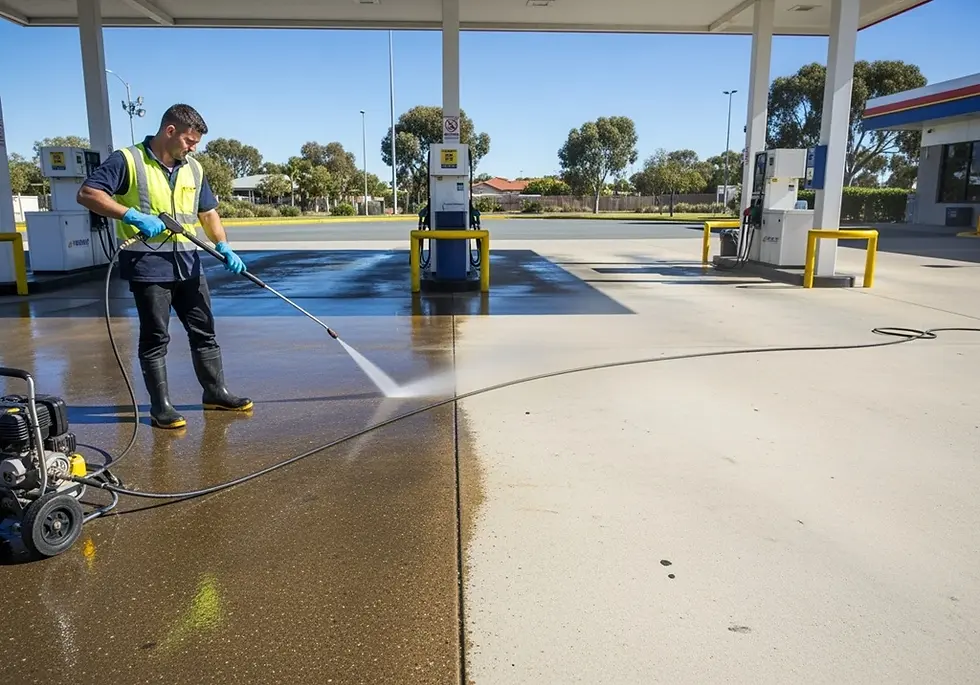
Paved areas and driveways near building exteriors harbour mould in surface pores and joints. While less directly connected to indoor air quality, mould on these surfaces releases spores that enter homes through open doors and windows. Professional pressure washing services remove these exterior mould sources, reducing the overall spore load around properties.
Roof Tile and Valley Accumulation
Roof tiles and valleys accumulate organic debris that supports mould growth, particularly in areas with overhanging tree branches. Mould growing beneath roof tiles can access roof cavities directly, creating hidden contamination sources that affect indoor air quality without visible exterior evidence.
Testing and Identifying Exterior Mould Impact
Visual Inspection Methods
Perth homeowners often struggle to connect exterior mould presence with indoor air quality problems. Several assessment approaches help establish this connection and identify spore infiltration pathways.
Visual inspection identifies obvious exterior mould growth. Look for dark staining on walls, green or black discolouration on gutters and fascias, and organic buildup in outdoor areas. Inspect during late winter when mould growth peaks and colonies become most visible. Areas that remain damp 24 hours after rainfall warrant particular attention.
Indoor Air Quality Testing
Indoor air quality testing measures airborne mould spore concentrations inside homes. Professional testing services collect air samples from multiple rooms and analyse spore types and quantities. When indoor testing reveals elevated spore levels without visible interior mould sources, exterior infiltration becomes the likely cause. Baseline testing costs $300-500 for a standard Perth home and provides quantifiable data about air quality status.
Comparative Analysis Between Indoor and Outdoor Samples
Comparative analysis between indoor and outdoor samples identifies spore infiltration pathways. If indoor spore types match those found on exterior building surfaces, the connection becomes clear. This analysis proves particularly valuable for Perth properties where residents experience unexplained respiratory symptoms.
Seasonal Symptom Tracking
Seasonal symptom tracking reveals patterns consistent with exterior mould infiltration. Residents who experience worsening respiratory symptoms during winter months, improvement during summer, and symptom recurrence in autumn likely face exterior mould-driven air quality degradation. Keeping a symptom diary alongside weather patterns helps establish these connections.
Professional Assessment Services
Professional assessment services combine these approaches to provide comprehensive analysis. While DIY inspection identifies obvious exterior mould, professional evaluation reveals hidden sources and quantifies indoor air quality impacts.
Prevention Strategies for Perth Homeowners
Regular Gutter Maintenance
Protecting indoor air quality from exterior mould requires proactive maintenance focused on eliminating moisture sources and removing established growth to prevent building envelope penetration.
Regular gutter maintenance represents the single most effective prevention strategy. Perth properties require gutter cleaning at minimum twice annually, once in late autumn after leaf drop and again in early spring. Properties with overhanging trees benefit from quarterly cleaning. Proflo's vacuum gutter cleaning system removes organic debris completely, eliminating the moisture-retaining material where mould colonies establish. This approach proves more effective than manual cleaning methods that leave residual debris.
Exterior Surface Cleaning
Exterior surface cleaning removes established mould colonies before they impact indoor environments. Annual pressure washing of rendered walls, paved areas, and building exteriors eliminates mould growth and reduces spore production. The process requires appropriate pressure settings and cleaning solutions; excessive pressure damages render and paint, while insufficient pressure leaves mould roots intact.
Improving Drainage Around Building Perimeters
Improving drainage around building perimeters reduces moisture accumulation that supports mould growth. Ensure downpipes discharge water at least two metres from building foundations. Grade soil away from walls to prevent water pooling. Address paving that slopes toward buildings, creating moisture traps against exterior walls.
Vegetation Management for Air Circulation
Vegetation management increases air circulation and sunlight exposure on building exteriors. Trim trees and shrubs to maintain 500mm clearance from walls and gutters. Remove climbing plants from rendered walls; while aesthetically appealing, these create permanently damp conditions ideal for mould growth. Consider replacing dense plantings near buildings with species that allow better air movement, reducing spore infiltration pathways.
Paint and Render Maintenance
Paint and render maintenance preserves the protective barrier preventing moisture penetration into building materials and building envelope penetration. Inspect exterior surfaces annually for paint failure, render cracks, and sealant deterioration. Address these issues promptly; small maintenance tasks prevent the extensive mould growth that develops when moisture penetrates building fabric.
Air Conditioning Maintenance
Air conditioning maintenance includes cleaning external condenser units and checking that condensate drains function correctly. Position condensate discharge away from walls and paved areas where standing water supports mould growth.
Optimal Timing for Professional Services
For properties requiring comprehensive exterior cleaning, scheduling professional services during autumn provides optimal timing. This removes summer dormant mould colonies before winter rains trigger renewed growth and spore production.
When Professional Intervention Becomes Necessary
Height and Access Challenges
Perth homeowners face decisions about DIY maintenance versus professional services. Several factors indicate when professional intervention protects indoor air quality and addresses building envelope penetration more effectively.
Height and access challenges make gutter and roof cleaning dangerous for homeowners. Perth's predominantly single-storey homes appear manageable, yet ladder-related injuries send hundreds of Western Australians to emergency departments annually. Two-storey properties and steep roof pitches require professional equipment and safety systems. Commercial cleaning services extend to residential properties requiring specialised access equipment.
Established Mould Colony Treatment
Established mould colonies require treatment beyond surface cleaning. When exterior mould has penetrated render, timber, or other porous materials, professional-grade antimicrobial treatments become necessary. These treatments eliminate mould at root level and provide residual protection against regrowth. DIY surface cleaning of established colonies often spreads spores without eliminating the underlying contamination.
Recurring Air Quality Problems
Recurring air quality problems despite regular cleaning indicate hidden mould sources requiring professional assessment. Thermal imaging and moisture meters identify concealed problem areas that visual inspection misses. Professional services combine detection technology with treatment capability, addressing both obvious and hidden mould sources in a single intervention.
Property Preparation for Sale or Rental
Property preparation for sale or rental requires professional exterior cleaning to meet disclosure obligations and maximise presentation. Perth's competitive property market means exterior mould presence reduces property values and delays sales. Professional cleaning provides documentable evidence that exterior maintenance meets current standards.
Health-Vulnerable Residents
Health-vulnerable residents justify professional services even for seemingly minor exterior mould given the respiratory health impact potential. The health risks facing immunocompromised individuals, young children, and elderly residents outweigh service costs. Professional cleaning eliminates exposure risks that DIY approaches might miss.
Proflo's ISO Certification and Expertise
Proflo's ISO certification and 33+ years of Perth experience provide the technical expertise and safety compliance that protects both property and indoor air quality. The vacuum gutter cleaning system prevents the spore distribution that traditional cleaning methods create, making it particularly valuable for properties where residents face health vulnerabilities.
Long-Term Air Quality Protection
Establishing Property-Specific Maintenance Schedules
Maintaining healthy indoor air quality requires viewing exterior mould air quality Perth control as ongoing property maintenance rather than occasional cleaning. Perth homeowners who implement systematic maintenance schedules protect their indoor environments effectively while avoiding the costly remediation that neglect necessitates.
Establish maintenance schedules based on property-specific factors. Properties with extensive tree coverage require more frequent gutter cleaning than those in open locations. Coastal properties experiencing coastal humidity conditions need more regular exterior wall cleaning due to salt exposure and elevated humidity. Create calendar reminders for seasonal maintenance tasks rather than waiting for visible problems to develop.
Monitoring Indoor Air Quality Indicators
Monitor indoor air quality indicators including unexplained musty odours, condensation patterns, and resident health symptoms. Early detection of air quality degradation enables prompt exterior inspection and treatment before problems escalate. Consider installing indoor humidity monitors; readings consistently above 60% indicate elevated mould growth risk requiring investigation.
Documentation and Record Keeping
Document maintenance activities including dates, services performed, and observations about property condition. This documentation helps identify patterns, supports property value during sales, and provides evidence of proper maintenance for insurance purposes. Photograph exterior areas before and after cleaning to track improvement and identify recurring problem areas.
Budgeting for Professional Services
Budget for professional services as part of annual property maintenance costs. Regular professional exterior cleaning costs substantially less than emergency remediation or health impacts from prolonged poor air quality. Perth homeowners typically invest $400-800 annually in comprehensive exterior cleaning, modest compared to the $15,000+ costs associated with extensive mould remediation.
Consulting Indoor Air Quality Specialists
For properties experiencing persistent indoor air quality issues despite exterior maintenance, consulting indoor air quality specialists provides additional assessment. These specialists identify whether problems stem from exterior sources, interior building defects, or HVAC system issues, enabling targeted solutions.
Conclusion
Exterior mould creates indoor air quality problems that Perth homeowners often overlook while searching for interior contamination sources. The connection between exterior mould growth and indoor respiratory health impact becomes clear when understanding how Perth's coastal humidity conditions support year-round mould colonies on building exteriors and how microscopic spores infiltrate homes through multiple spore infiltration pathways.
The health impacts extend beyond temporary discomfort; chronic exposure to mould spores affects respiratory function, triggers allergic responses, and creates serious risks for vulnerable residents. Perth's Mediterranean climate ensures exterior mould air quality Perth threats remain persistent rather than seasonal, requiring proactive maintenance approaches that eliminate moisture sources and remove established colonies.
Regular gutter cleaning, exterior surface washing, and building maintenance prevent the moisture accumulation and organic debris buildup where mould thrives. These preventative measures cost significantly less than remediation while protecting indoor air quality effectively through addressing building envelope penetration. Professional services provide the safety, equipment, and expertise necessary for thorough exterior mould removal, particularly for properties with access challenges or established contamination.
Indoor air quality reflects the condition of a property's entire building envelope, not just interior surfaces. Perth homeowners who recognise this connection and implement comprehensive exterior maintenance protect their families' respiratory health impact while preserving property value. Proflo provides the investment in regular professional exterior cleaning that delivers measurable returns through improved air quality, reduced health impacts, and prevention of costly building damage.
For Perth properties experiencing unexplained indoor air quality issues or requiring professional exterior mould removal, contact Proflo on 08 6150 5924 for assessment and comprehensive cleaning services. With 33+ years of experience addressing Perth's unique climate challenges, Proflo provides the expertise and equipment necessary to eliminate exterior mould sources and protect indoor air quality effectively.


Comments