Pressure Washing Vs Soft Washing: What's Best For Your Property?
- Mar 10
- 8 min read

Property owners across Perth face a common dilemma when tackling exterior cleaning: should they use high-pressure washing or opt for the gentler soft washing approach? The wrong choice can damage surfaces, waste money, or deliver disappointing results. Understanding this pressure washing comparison - and knowing which surfaces require which approach - protects property investment and ensures lasting cleanliness.
ProFlo has spent 33+ years helping Perth property owners navigate this decision, matching cleaning method comparison requirements to specific surface types and conditions. The decision isn't simply about power levels. Each method serves distinct purposes, uses different cleaning agents, and delivers specific outcomes. Perth's climate adds another layer to this decision, with harsh UV exposure, occasional winter storms, and coastal salt spray affecting different surfaces in unique ways.
Understanding Pressure Washing: High-Force Surface Cleaning
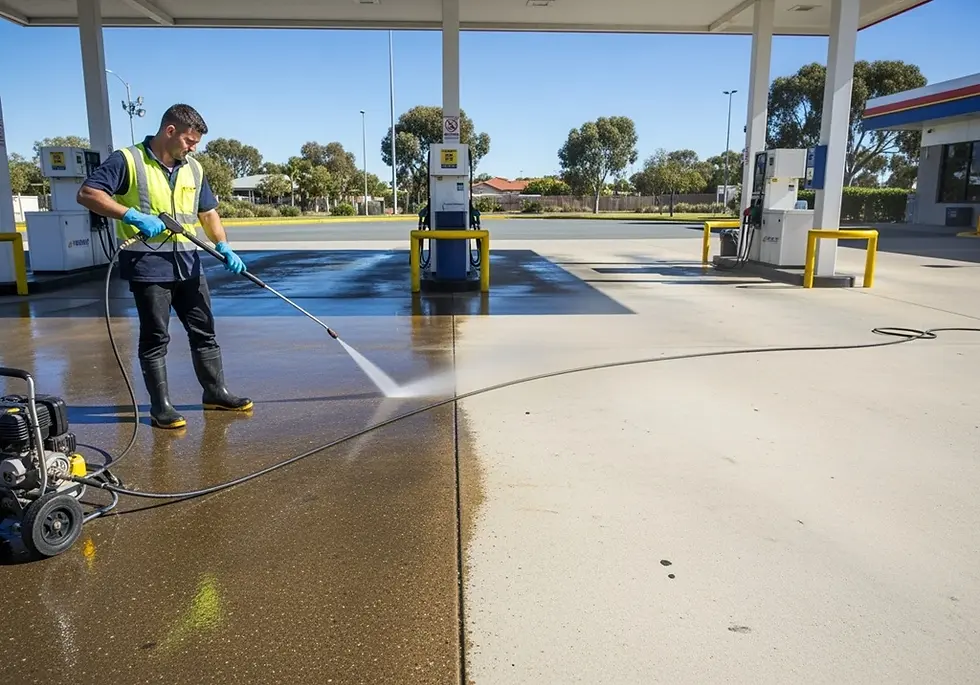
Pressure washing uses water expelled at 3,000 to 4,000 PSI (pounds per square inch) to remove dirt, grime, and stains from hard surfaces. The mechanical force dislodges contaminants through sheer water pressure, making it highly effective for durable materials that can withstand intense impact.
The process works by creating a concentrated stream that physically breaks the bond between dirt and surface. This mechanical action makes professional pressure washing particularly effective for concrete driveways, brick walls, and sealed pavers where stubborn stains have penetrated surface pores.
When Pressure Washing Excels
Concrete driveways and paths: Oil stains, tyre marks, and embedded dirt respond well to high-pressure treatment
Brick surfaces: Mortar and brick can handle intense pressure without damage
Stone retaining walls: Natural stone with proper sealing withstands pressure washing effectively
Commercial car parks: Large concrete areas benefit from the speed and efficiency of high-pressure cleaning
Sealed pavers: Properly sealed paving stones tolerate pressure washing when executed correctly
Perth property owners often choose pressure washing for areas with heavy foot traffic or vehicle use. A driveway that sees daily car movement accumulates oil residue, rubber deposits, and ground-in dirt that requires mechanical force to remove. Standard water pressure simply can't break these bonds.
The speed advantage matters for larger projects. Professional pressure washing can clean 200-300 square metres of concrete in a few hours - a timeline that makes it practical for commercial cleaning services where downtime costs money.
The Soft Washing Alternative: Chemical Cleaning At Low Pressure
Soft washing takes the opposite approach: low water pressure (similar to a garden hose) combined with specialised cleaning solutions. The chemicals do the work, breaking down organic growth, stains, and contaminants at a molecular level. Water pressure serves only to apply the solution and rinse away loosened material.
This method uses biodegradable surfactants, algaecides, and mildewcides mixed at specific ratios for different surfaces. The solution typically sits on the surface for 10-20 minutes, allowing chemical action to dissolve contaminants before gentle rinsing removes everything.
Where Soft Washing Proves Superior
Roof tiles: Terra cotta, concrete, and Colorbond roofing require gentle treatment to avoid damage
Painted surfaces: Weatherboard homes, rendered walls, and painted trim need chemical cleaning rather than force
Windows and glass: High pressure can crack glass or force water past seals
Delicate stonework: Limestone, sandstone, and unsealed natural stone deteriorate under pressure
Timber decking: Wood grain and timber fibres suffer damage from intense water pressure
Solar panels: Glass surfaces and electrical components demand gentle surface cleaning methods
The chemical approach extends cleaning effectiveness beyond the initial treatment. Quality soft washing solutions include preventative agents that inhibit algae and mildew regrowth for 12-18 months. This residual protection means surfaces stay cleaner longer compared to pressure washing alone.
For Perth homes with Colorbond roofing - increasingly common across metropolitan suburbs - soft washing represents the only safe cleaning method. High pressure can strip protective coatings, void manufacturer warranties, and force water under roof sheets where it causes rust and deterioration.
Surface-Specific Recommendations For Perth Properties
Different materials respond differently to cleaning methods. Choosing the wrong approach damages surfaces, creates safety hazards, or delivers poor results that require repeated treatments. This pressure washing comparison guide helps identify the right method for each situation.
Driveways And Concrete Surfaces
Sealed concrete driveways tolerate pressure washing well, but unsealed concrete requires caution. High pressure can pit unsealed surfaces, creating rough spots that trap dirt and accelerate deterioration. For concrete poured within the last 12 months, soft washing prevents damage to curing surfaces.
Exposed aggregate driveways present a middle ground. These decorative surfaces benefit from moderate pressure (1,500-2,000 PSI) rather than full-force treatment. Excessive pressure dislodges the aggregate stones, creating uneven surfaces and aesthetic damage.
Roof Cleaning Requirements
Perth's climate encourages algae and lichen growth on roof surfaces, particularly on south-facing slopes that receive less direct sunlight. These organic growths retain moisture against roofing materials, accelerating deterioration and reducing roof lifespan.
Soft washing removes these contaminants without forcing water under tiles or damaging protective coatings. The chemical treatment kills algae at the root level, preventing immediate regrowth that occurs after pressure washing alone. Professional gutter cleaning services often combine roof soft washing with gutter maintenance for comprehensive property protection.
Terra cotta tiles, common in Perth's older suburbs, become brittle with age. Pressure washing can crack these tiles or dislodge them entirely, creating immediate leak risks. Soft washing preserves tile integrity while delivering superior cleaning results.
Paver Cleaning Approaches
Paver cleaning requires assessment of several factors: paver material, age, sealing status, and joint sand condition. Concrete pavers with intact sealing tolerate pressure washing, while natural stone pavers need gentler treatment.
The challenge with pressure washing pavers lies in joint sand displacement. High pressure blasts sand from between pavers, creating gaps where weeds establish and structural stability decreases. Professional operators adjust pressure levels and use appropriate nozzles to minimise sand loss, but some displacement remains inevitable.
Soft washing pavers preserves joint integrity while removing stains and organic growth. The chemical approach takes longer but eliminates the sand replacement work that follows aggressive pressure washing.
Painted And Rendered Surfaces
Any painted surface requires soft washing rather than pressure washing. High-pressure water forces its way under paint edges, lifting paint away from the substrate and creating peeling that requires costly repainting.
Rendered walls - whether traditional cement render or modern acrylic finishes - can't withstand pressure washing. The force damages the render surface, creates pitting, and may penetrate through to underlying structures. Water forced into render can cause internal moisture problems that manifest as mould growth or structural damage.
Combining Methods For Optimal Results
Experienced cleaning specialists often combine both approaches within a single property service. This hybrid cleaning method comparison approach applies each technique where it performs best, maximising cleaning effectiveness while protecting vulnerable surfaces.
A typical Perth home might receive:
Pressure washing: Driveway, front path, garage floor, sealed brick areas
Soft washing: Roof tiles, painted eaves, weatherboard cladding, windows
Modified pressure: Timber deck (low pressure with appropriate nozzle), unsealed pavers
This tailored approach delivers superior results compared to applying one method across all surfaces. The investment in proper technique prevents damage while ensuring every surface receives appropriate treatment.
Specialists match surface cleaning methods to material requirements, with technicians trained to assess material types and condition before selecting pressure levels and cleaning solutions.
Equipment And Safety Considerations
Professional-grade equipment makes substantial difference in cleaning outcomes and surface protection. Commercial pressure washers allow precise pressure adjustment, use appropriate nozzles for different applications, and maintain consistent water flow that prevents surface damage.
Pressure Washer Specifications
PSI adjustment: Professional units adjust from 500 to 4,000 PSI for surface-specific treatment
GPM (gallons per minute): Higher flow rates clean faster without increasing pressure
Nozzle selection: Different spray patterns protect surfaces while optimising cleaning
Temperature control: Hot water enhances cleaning effectiveness for certain applications
Soft washing requires specialised equipment beyond standard pressure washers. Dedicated soft wash systems use chemical-resistant pumps, adjustable flow controls, and specialised spray tips that ensure even coverage without excessive pressure.
Safety concerns extend beyond surface damage. Pressure washing creates significant injury risks: water pressure at 3,000 PSI can penetrate skin, cause lacerations, and inject contaminants into tissue. Operators working at height - particularly for roof or upper-storey cleaning - face fall risks when handling high-pressure equipment.
Chemical handling for soft washing requires proper training, protective equipment, and understanding of solution ratios. Incorrect mixing creates ineffective cleaning or surface damage, while improper handling poses health risks to operators and surrounding vegetation.
Cost Comparison And Long-Term Value
Pressure washing typically costs less per square metre than soft washing for appropriate surfaces. The speed advantage and simpler equipment requirements translate to lower service pricing for driveways, paths, and large concrete areas.
However, soft washing delivers better long-term value for surfaces where it's appropriate. The residual protection from quality cleaning solutions means roofs, painted surfaces, and delicate materials stay cleaner for 12-18 months compared to 3-6 months after pressure washing alone.
For a typical Perth home requiring both methods:
Driveway pressure washing (100m²): Immediate results, may need retreatment within 6 months as organic growth returns
Roof soft washing (150m²): Results last 12-18 months due to algaecide protection, preventing organic regrowth
The extended effectiveness of soft washing reduces annual cleaning frequency, potentially lowering total maintenance costs despite higher per-service pricing.
Property damage from inappropriate surface cleaning methods creates costs that dwarf service pricing. A rendered wall damaged by pressure washing might require $5,000-$15,000 in repairs - far exceeding the $200-$400 cost difference between proper and improper cleaning approaches.
Perth Climate Factors Affecting Method Selection
Perth's Mediterranean climate influences both cleaning method selection and maintenance scheduling. The dry summer months (December-February) see minimal organic growth but maximum UV exposure that degrades painted surfaces and seals. Winter rainfall (June-August) encourages algae and mildew growth, particularly on shaded surfaces.
Coastal properties face additional challenges from salt spray, which accelerates corrosion on metal surfaces and creates stubborn staining on glass, render, and painted surfaces. Soft washing with specialised solutions removes salt deposits more effectively than pressure washing alone.
The extended dry periods mean dust and airborne particles accumulate on horizontal surfaces - particularly solar panels where efficiency drops 15-25% with heavy soiling. Regular solar panel cleaning using soft wash methods maintains energy production without risking panel damage from high pressure.
Perth's strong summer sun creates another consideration: timing cleaning services for early morning or late afternoon prevents rapid drying that can leave streaking or reduce chemical effectiveness in soft washing applications.
Making The Right Choice For Your Property
Selecting between pressure washing and soft washing requires honest assessment of surface types, condition, and maintenance goals. Property owners benefit from professional evaluation that identifies vulnerable areas and recommends appropriate methods based on thorough pressure washing comparison analysis.
Questions To Guide Your Decision
What materials require cleaning? (concrete, painted surfaces, roof tiles, timber)
What's the age and condition of these surfaces? (new, well-maintained, showing wear)
What contaminants need removal? (oil stains, organic growth, general dirt)
How long since the last professional cleaning? (never, 1-2 years, 3+ years)
Are there warranty considerations? (new roof, recent painting, sealed surfaces)
For properties with mixed surfaces - the typical Perth home with concrete driveway, Colorbond roof, and rendered walls - professional cleaning services deliver optimal results by applying appropriate methods to each area.
Choosing The Right Cleaning Method
The soft washing vs pressure washing decision isn't about choosing one method over the other - it's about understanding which approach protects and cleans each surface type effectively. Pressure washing excels for durable concrete, brick, and sealed surfaces where mechanical force removes stubborn contaminants. Soft washing proves superior for roofs, painted surfaces, and delicate materials where chemical cleaning prevents damage while delivering lasting results.
Perth property owners face unique challenges from intense UV exposure, occasional heavy rainfall, and coastal conditions that accelerate surface deterioration. Matching cleaning methods to these environmental factors and specific surface requirements protects property investment while maintaining aesthetic appeal and structural integrity.
Professional assessment identifies appropriate techniques for every surface, preventing costly damage while ensuring thorough cleaning. Whether addressing a stained driveway, algae-covered roof, or comprehensive exterior maintenance, the right combination of professional pressure washing and soft washing delivers results that protect property value and enhance kerb appeal.
For expert guidance on which cleaning method suits specific property needs, contact us for a comprehensive assessment. With 33+ years of experience in Perth's exterior cleaning industry, specialists match proven techniques to individual property requirements, ensuring optimal results without surface damage.


Comments