The Hidden Cost Of Dirty Solar Panels On Your Energy Bills
- Mar 5
- 8 min read

Perth homeowners install solar panels to slash electricity costs and reduce environmental impact. Yet many watch their energy bills creep upward despite sunny skies and a substantial rooftop investment. The culprit often sits directly on the panels themselves - a layer of dust, bird droppings, and grime that transforms premium solar technology into underperforming assets.
Research from the Commonwealth Scientific and Industrial Research Organisation (CSIRO) demonstrates that dirty solar panels can experience panel efficiency loss of 15-25%. For a typical Perth household with a 6.6kW system, this translates to $200-$400 in lost energy bill savings annually. Over a 25-year panel lifespan, accumulated losses can exceed $10,000 - enough to fund a significant system upgrade or cover years of professional maintenance.
The solar panel costs extend beyond immediate electricity bills. Reduced output forces households to draw more power from the grid during peak periods when rates hit their highest. This creates a compounding effect where dirty panels cost more than the simple difference between clean and soiled performance would suggest.
How Dirt Accumulation Reduces Solar Panel Efficiency
Solar panels convert sunlight into electricity through photovoltaic cells. When dirt, dust, pollen, bird droppings, or leaf residue covers these cells, less sunlight reaches the semiconductor material beneath the glass. Even a thin layer of dust can scatter and absorb light before it reaches the active components, causing significant panel efficiency loss.
Perth's climate creates specific challenges for solar panel maintenance. The city experiences extended dry periods where dust and pollen settle on panels without rain to wash them away. Coastal properties face additional issues with salt spray, while properties near bushland contend with leaf litter and tree sap.
Bird droppings present a particularly problematic form of contamination. Unlike dust that spreads relatively evenly across panel surfaces, bird waste concentrates in specific areas and hardens in Perth's heat. A single dropping can block an entire solar cell, and because panels often connect cells in series, one blocked cell can reduce output for an entire string.
The angle of panel installation affects how quickly dirt accumulates. Panels installed at steeper angles (closer to 30-35 degrees) benefit from gravity helping debris slide off during occasional rain. Flatter installations, common on some commercial properties, accumulate dirt faster and retain it longer between cleaning cycles.
Calculating Your Actual Solar Panel Costs From Poor Maintenance
Understanding the financial impact of dirty panels requires examining several cost factors that compound over time. The most obvious expense comes from reduced electricity generation. A 6.6kW system in Perth typically produces 26-30 kWh daily under optimal conditions. With 20% panel efficiency loss from dirt, daily production drops by 5-6 kWh.
At current Perth electricity rates averaging $0.28 per kWh, this daily shortfall costs $1.40-$1.68. Monthly, this adds $42-$50 to energy bills. Annually, homeowners lose $500-$600 in potential energy bill savings - money that could fund professional solar panel cleaning services multiple times over with funds remaining.
The calculation becomes more complex when factoring in feed-in tariffs. Perth households typically receive $0.03-$0.10 per kWh for excess solar power exported to the grid. Reduced panel output means less surplus energy to sell back, cutting another income stream. For households maximising their solar investment by exporting significant power during peak production hours, this compounds the financial impact.
System degradation represents another hidden solar panel cost. While solar panels naturally lose 0.5-0.8% efficiency annually, dirty panels can accelerate this decline. Persistent soiling creates hot spots where blocked cells overheat, potentially causing permanent damage to the panel's semiconductor materials. Replacing panels prematurely due to preventable damage adds thousands to long-term ownership costs.
The Difference Between Rain And Professional Cleaning
Many Perth homeowners assume rain provides adequate solar panel cleaning. While rainfall does rinse away loose dust, it rarely delivers the thorough cleaning panels need for optimal performance and electricity cost reduction. Rain often leaves behind a residue film, particularly in coastal areas where salt spray mixes with rainwater.
Perth's rainfall patterns compound this limitation. The city receives most precipitation between May and September, leaving panels exposed to eight months of minimal natural cleaning. During summer's peak solar production months, panels accumulate maximum dirt during the period when clean surfaces matter most for energy generation.
Rain cannot effectively remove bird droppings, tree sap, or the baked-on grime that forms when dust combines with morning dew then dries in intense sunlight. These substances require mechanical cleaning with appropriate tools and techniques to fully remove without damaging panel surfaces.
ProFlo uses purified water systems that prevent mineral deposits and streaking. The purification process removes dissolved solids that would otherwise leave spots on panels as water evaporates. This approach delivers genuinely clean surfaces that maximise light transmission to photovoltaic cells, restoring full energy bill savings potential.
The cleaning frequency required depends on property location and environmental factors. Perth properties near busy roads accumulate more particulate matter from vehicle emissions. Properties surrounded by trees deal with pollen, sap, and leaf debris. Coastal homes face salt spray challenges. Professional assessment helps determine optimal cleaning schedules based on these specific conditions, balancing solar maintenance costs against performance benefits.
Commercial Solar Panel Costs From Inadequate Maintenance
Commercial properties face amplified financial consequences from dirty solar panels due to larger system sizes and higher energy consumption. A typical commercial installation of 30-100kW generates substantial power, but also presents a larger surface area for dirt accumulation.
Businesses often install solar systems to reduce operational costs and demonstrate environmental responsibility. When panels underperform due to poor maintenance, both objectives suffer. A 50kW commercial system losing 20% efficiency represents approximately $3,000-$4,000 in annual lost electricity cost reduction - enough to fund comprehensive commercial cleaning programs for multiple properties.
Commercial property managers juggling multiple maintenance priorities sometimes overlook solar panel cleaning until performance drops noticeably. By that point, months of reduced output have already impacted the bottom line. Establishing scheduled maintenance programs prevents this reactive approach and ensures consistent system performance.
Retail centres, warehouses, and office buildings with extensive roof-mounted solar arrays require specialised equipment for safe, efficient cleaning. Professional services employ elevated work platforms, safety harnesses, and appropriate insurance coverage - critical considerations for commercial property managers concerned about liability and workplace safety.
DIY Cleaning Risks And Professional Alternatives
The temptation to clean solar panels personally seems logical given the straightforward task of removing visible dirt. However, several factors make DIY solar panel cleaning potentially problematic and even dangerous for Perth homeowners.
Safety represents the primary concern. Solar panels occupy roof surfaces that require ladder access and secure footing on potentially slippery tiles. Perth's intense summer heat makes roof surfaces dangerously hot, while winter rain creates slippery conditions. Falls from roofs cause serious injuries and fatalities annually across Western Australia.
Using incorrect cleaning products or techniques can damage panel surfaces. Abrasive materials scratch the protective glass coating, creating permanent imperfections that scatter light and reduce efficiency. Harsh chemicals can degrade seals around panel edges, allowing moisture penetration that damages internal components. High-pressure water can force water past weatherproofing and damage electrical connections.
Panel manufacturers often specify cleaning requirements in warranty documentation. Using unapproved methods or products may void warranty coverage, leaving homeowners responsible for expensive repairs or replacements. Professional cleaning services understand these requirements and use manufacturer-approved techniques.
The specialised equipment required for proper solar panel cleaning extends beyond basic household tools. Purified water systems, soft-bristle brushes with extended handles, and appropriate safety gear represent significant investments for occasional residential use. Professional services spread these equipment costs across numerous clients, making professional cleaning more cost-effective than purchasing specialised tools - keeping solar maintenance costs reasonable for property owners.
Integrating Solar Maintenance With Complete Property Care
Solar panels don't exist in isolation - they're part of a comprehensive property maintenance ecosystem. Coordinating solar panel cleaning with other exterior maintenance tasks maximises efficiency and ensures property protection across all systems.
Gutters and solar panels share similar maintenance timing requirements. Perth's autumn months bring leaf fall that clogs gutters while also depositing debris on solar panels. Scheduling gutter cleaning services alongside solar panel maintenance reduces service call costs and ensures both systems function optimally heading into winter's rainfall.
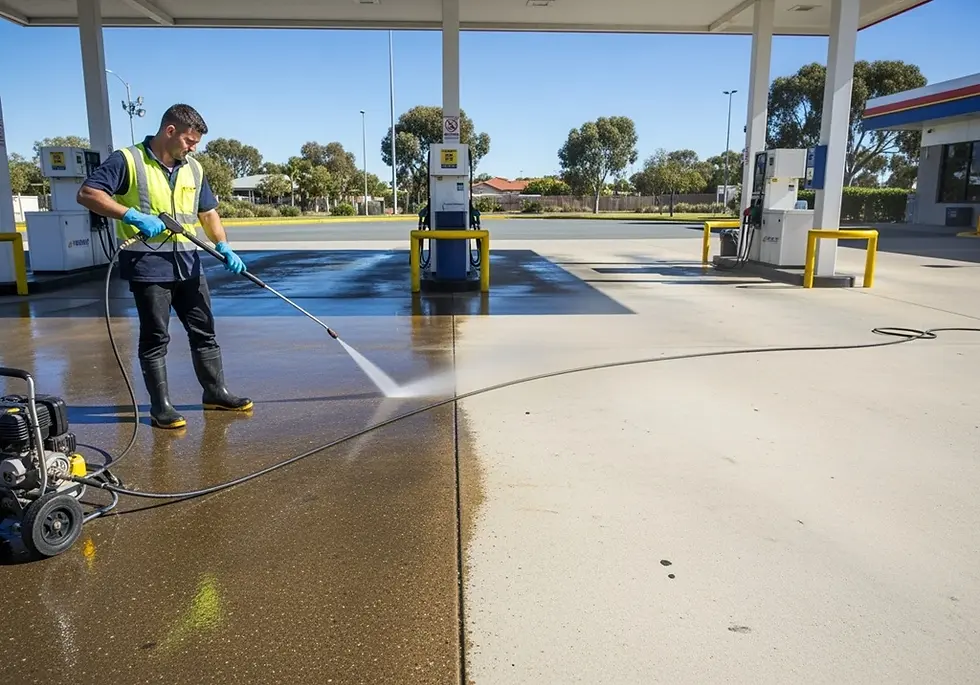
Properties with extensive paving or driveways benefit from coordinated exterior cleaning that addresses all surfaces during single service visits. Pressure washing services can refresh driveways, pathways, and building exteriors while technicians are already on-site for solar panel maintenance. This integrated approach delivers better value and reduces the coordination burden on property owners.
The timing of solar panel cleaning affects other property maintenance considerations. Cleaning panels before Perth's summer peak ensures maximum energy generation during the highest-demand months. This aligns well with pre-summer property preparation that includes gutter clearing, roof inspections, and exterior surface cleaning.
Investment property owners managing multiple locations particularly benefit from coordinated maintenance programs. Scheduling regular service visits across a property portfolio ensures consistent maintenance standards while simplifying administrative overhead. Professional services can establish recurring schedules that address seasonal maintenance needs without requiring ongoing coordination from property managers.
Creating A Cost-Effective Solar Maintenance Schedule
Optimal cleaning frequency balances solar maintenance costs against performance benefits. Perth properties typically require professional solar panel cleaning 2-4 times annually, with specific timing depending on environmental factors and system size.
Properties in dusty locations or near busy roads benefit from quarterly cleaning to prevent heavy accumulation. Coastal properties may require more frequent attention due to salt spray, while properties in residential areas with minimal tree coverage might maintain good performance with semi-annual cleaning.
The most critical cleaning period occurs before summer, typically in October or November. This timing ensures panels operate at peak efficiency during Perth's highest solar production months when energy generation potential reaches its maximum. A second cleaning in late autumn or early winter prepares panels for the wet season and addresses accumulated summer dust.
Monitoring system performance helps identify when cleaning becomes necessary. Most modern solar inverters provide production data accessible through smartphone apps or online portals. Comparing current production to historical data for similar weather conditions reveals when output drops below expected levels, signaling maintenance needs and potential panel efficiency loss.
Professional services can establish customised maintenance schedules based on property-specific factors. Initial assessment identifies environmental challenges, system size, and performance expectations. Ongoing monitoring adjusts cleaning frequency as needed to maintain optimal cost-to-benefit ratios and maximise electricity cost reduction.
The Long-Term Value Of Professional Solar Panel Maintenance
Viewing solar panel cleaning as a discretionary expense misses the fundamental economics of system ownership. Professional maintenance represents an investment that protects a much larger capital asset while maximising return on the original solar installation.
A typical Perth residential solar system costs $6,000-$12,000 installed. Professional cleaning services cost $150-$300 per visit depending on system size and access complexity. Spending $400-$600 annually on maintenance protects an asset worth ten to twenty times that amount while ensuring it delivers promised financial returns and sustained energy bill savings.
The compounding benefits of consistent maintenance extend beyond immediate energy production. Well-maintained panels experience slower degradation rates, extending effective system lifespan and delaying expensive replacement decisions. Clean panels reduce stress on inverters and other system components by maintaining consistent, predictable power generation.
Property value considerations also factor into the maintenance equation. Solar systems add value to Perth properties, but only when they function effectively. Home buyers increasingly scrutinise solar system performance and maintenance history. Properties with documented professional maintenance command premium prices compared to homes with neglected systems showing visible soiling.
Environmental benefits multiply when solar panels operate at peak efficiency. Perth households install solar systems partly to reduce carbon footprints. When dirty panels force increased grid power consumption, this environmental benefit diminishes. Maintaining clean panels ensures the system delivers its intended environmental impact throughout its operational life.
Maximising Your Solar Investment Returns
The solar panel costs associated with inadequate maintenance extend far beyond simple efficiency losses. Perth homeowners face reduced energy generation, higher electricity bills, accelerated system degradation, and diminished return on substantial capital investments when panels accumulate dirt, debris, and environmental contaminants.
Research consistently demonstrates that dirty solar panels experience panel efficiency loss of 15-25%, translating to hundreds of dollars in annual losses for typical residential systems. Commercial properties face even larger financial impacts due to system size and energy consumption patterns. These losses compound over time, potentially exceeding $10,000 across a system's operational lifespan.
Professional solar panel cleaning addresses these challenges through specialised equipment, manufacturer-approved techniques, and expertise in Perth's specific environmental conditions. Services integrate naturally with comprehensive property maintenance programs that include gutter cleaning, pressure washing, and seasonal preparation tasks - keeping overall solar maintenance costs manageable while delivering maximum electricity cost reduction.
The investment in regular professional maintenance protects solar system capital value, maximises energy production during peak months, and ensures systems deliver promised financial returns. For Perth property owners committed to maximising their solar investment, professional cleaning represents essential maintenance rather than optional expense.
Property owners ready to optimise their solar system performance and restore full energy bill savings can contact us for assessment and customised maintenance scheduling. With 33+ years of experience in exterior property maintenance and ISO certification, ProFlo delivers the expertise Perth homeowners need to protect their solar investments and minimise hidden energy costs.


Comments