When to Schedule Urgent Exterior Cleaning: Perth Storm Season Priorities
- Mar 23
- 8 min read

Perth's storm season brings sudden downpours that test every property's drainage system to its limits. Between May and September, the city averages 130mm of rainfall monthly. That volume is enough to overwhelm blocked gutters and cause serious water damage in hours.
Properties with clogged gutters, accumulated debris, or damaged downpipes face immediate risks when storms hit. Water overflows from blocked gutters, pools around foundations, and seeps into wall cavities. The damage compounds quickly. What starts as a standard gutter cleaning cost in Perth of around $300 becomes thousands in structural repairs.
Knowing when to act separates minor maintenance from emergency response. Urgent gutter cleaning in Perth during storm season protects properties from the cascading damage that blocked drainage causes. This guide covers the specific warning signs that demand immediate attention and the priorities that keep Perth properties safe through winter.
Storm Damage Warning Signs That Need Immediate Action
Several clear warning signs tell you that urgent gutter cleaning in Perth is overdue. Recognising these early prevents the worst outcomes.
Overflowing Gutters During Rain
Water should flow smoothly through gutters and downpipes, even in heavy rain. If you see water cascading over gutter edges, the system is completely blocked. Hundreds of litres are being redirected away from proper drainage every hour.
This overflow typically begins within 30 minutes of steady rain. The water runs down external walls, saturates timber frames, and pools at foundations. Properties in Naval Base and Rockingham see this frequently. Coastal wind patterns drive extra debris into gutters between storms.
Water Pooling Near Foundations
Puddles or damp patches within 2 to 3 metres of your home's base indicate a blocked downpipe clearing failure somewhere in the system. Water cannot reach stormwater drains, so it pools at ground level instead. This pooled water gradually seeps through foundation cracks.
Perth's sandy soil drains well naturally. Pooling water always indicates a drainage failure rather than normal conditions. Properties built before 1990 often have clay-based foundations that absorb this moisture, leading to structural movement over time.
Staining on External Walls
Dark streaks below gutters indicate months of unchecked overflow. Fresh staining after a single storm means the blockage is severe. A complete downpipe obstruction filled with compacted leaves and debris is the likely cause.
These stains mark where moisture penetrates render and brickwork. Mould growth inside wall cavities follows when moisture sits for extended periods. The visible staining is the warning. The hidden damage behind the wall is the real cost.
Sagging or Pulling-Away Gutters
Debris weight exceeding bracket capacity causes structural failure in gutter systems. A metre of gutter filled with wet leaves weighs 15 to 20kg. Across 30 metres of guttering, that adds 450 to 600kg of load the system was never designed to carry.
Once gutters start pulling away from fascia boards, every subsequent storm adds more weight and stress. The damage accelerates with each rainfall event until the system fails completely.
Critical 48-Hour Response Windows
Timing determines whether storm season gutter maintenance prevents damage or simply responds to it after the fact.
Pre-Storm Preparation
The 48 hours before predicted heavy rain matter most. Perth's Bureau of Meteorology typically provides two to three days warning for significant storm systems. This window allows professional gutter cleaning teams to clear blockages before rain arrives.
Properties that wait until storms hit face two problems. Emergency response costs double or triple standard rates. Available technicians also become scarce as demand spikes across Perth metro.
Post-Storm Assessment
Post-storm assessment should happen within 24 hours of heavy rainfall. Walk your property perimeter looking for the warning signs described above. Check inside your ceiling space for water stains on timber or insulation. Inspect wall corners where two external walls meet. These spots show water penetration first.
Document any damage with photos and timestamps. This evidence proves when problems started. It matters for insurance claims and helps identify whether issues stem from the recent storm or longer-term neglect.
Between-Storm Maintenance
Perth typically experiences three to four major storm systems each winter. Scheduling storm season gutter maintenance after the first significant rain in late May prevents compound damage from later storms.
Properties surrounded by gumtrees need additional mid-season checks. These trees drop leaves year-round, with peak shedding during autumn. A gutter cleared in May can be 60% blocked again by July without interim maintenance.
Priority Areas for Storm Season Cleaning
Not all areas of your property carry equal risk during storms. Prioritising the right zones protects against the most expensive damage.
Gutter Systems and Downpipes
Gutters and downpipes top every storm season cleaning checklist. These channels handle your entire roof runoff. During heavy Perth rain, that means 50 to 80 litres per minute flowing through the system.
A single blocked downpipe backs up an entire gutter run. This causes overflow across 10 to 15 metres of roofline. Blocked downpipe clearing is the single most impactful task for storm protection.
Vacuum Gutter Cleaning Advantages
Vacuum gutter cleaning removes wet and dry debris without damaging gutters or creating mess on your property. Traditional manual cleaning during storm season leaves technicians working in dangerous wet conditions whilst spreading debris across gardens.
Vacuum systems extract the compacted sludge layer at gutter bases where most blockages form. This thoroughness matters because partial cleaning leaves enough material to re-block systems within weeks. The difference between thorough vacuum cleaning and basic manual clearing determines how long your gutters stay functional.
Roof Valleys and Junctions
Roof valleys collect debris faster than straight sections. These convergence points channel water from multiple roof planes into single gutters. When leaves and twigs accumulate here, they create dam effects that back water up under tiles.
Perth's tile roofs shed water quickly when paths are clear. Blocked valleys force water sideways under tiles instead. It runs along sarking and drips onto ceiling insulation. This hidden water damage often goes unnoticed until brown stains appear on ceilings inside your home.
External Surfaces and Drainage Paths
Driveways, pathways, and patio areas covered in leaves block natural water flow during storms. This debris washes into stormwater drains, creating secondary blockages that compound gutter overflow problems.
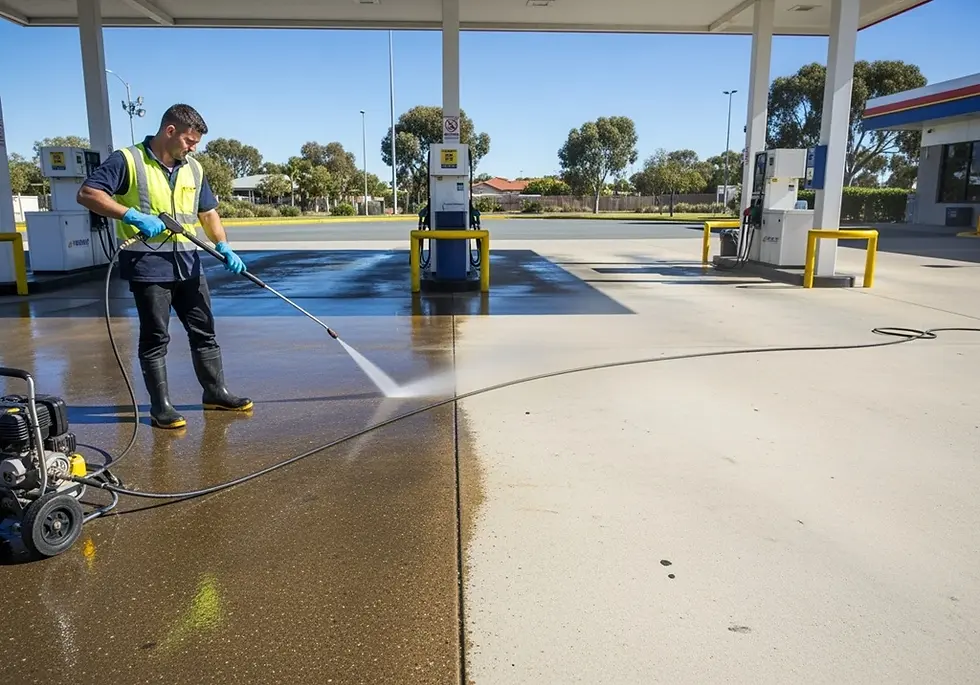
Pressure washing services clear these surfaces before storm season. Removing organic material from driveways, paths, and paved areas reduces the total debris load your drainage system must handle during heavy rainfall.
Commercial Property Priorities
Large roof areas on warehouses, shopping centres, and office buildings collect proportionally more debris than residential properties. A 500 square metre commercial roof sheds 50,000 litres of water during a 100mm rainfall event. That is ten times what a typical home handles.
These properties need commercial cleaning services with industrial equipment. Standard residential equipment cannot process that volume efficiently. Incomplete cleaning leaves commercial properties vulnerable to the worst storm damage.
Weather Patterns That Trigger Urgent Needs
Specific weather patterns across Perth indicate when urgent gutter cleaning in Perth becomes essential rather than optional.
Severe Weather Warnings
Bureau of Meteorology warnings for 50mm or more rainfall in 24 hours mean your drainage faces maximum stress. These warnings typically issue 12 to 48 hours before weather arrives. Properties with any existing gutter concerns should treat these warnings as urgent cleaning triggers.
The gutter cleaning cost in Perth for pre-storm emergency cleaning is always less than post-storm water damage repair bills. Acting on warnings saves money and protects your property simultaneously.
Wind Events Before Rain
Strong winds above 40km/h strip leaves and small branches from trees. This debris deposits across roofs and into gutters. When rain follows within days, fresh debris creates bulky blockages that completely obstruct water flow.
Kwinana and Cockburn areas experience this pattern frequently due to coastal wind funnelling. Properties near bushland or with large trees in neighbouring yards face the highest risk from wind-driven debris accumulation before storms.
Consecutive Storm Systems
When two to three storm fronts arrive within a single week, gutters do not have time to dry between rain events. Wet debris compacts into solid masses that even vacuum systems struggle to remove without multiple passes.
Perth's recent winters have shown this pattern repeatedly. Properties that survived the first storm with minor overflow experienced complete gutter failure by the third system. Accumulated debris simply had nowhere to go.
Seasonal Transition Periods
Late autumn brings the year's heaviest leaf drop just as early winter rains begin. This timing means gutters fill rapidly with dry leaves that soak up water and expand into tight blockages.
Properties that schedule annual cleaning in summer miss this critical transition entirely. By the time they recognise problems, winter has arrived and emergency response becomes the only option.
DIY Assessment vs Professional Response
Understanding what you can check safely and when professional help becomes essential protects both you and your property.
Safe DIY Inspection Methods
Walk your property perimeter during light rain. Watch how water exits gutters. Properly functioning systems show steady flow from downpipe outlets. Drips, dribbles, or no flow indicate blockages needing attention.
Use binoculars to inspect gutters from ground level. Look for visible debris piles, sagging sections, or plant growth. Never climb ladders during wet conditions. This is when most DIY gutter cleaning injuries occur across Australia.
Check your ceiling space from inside during or after rain. Use a torch to inspect timber frames near where the roof meets walls. Fresh water stains, damp insulation, or active dripping mean water is entering through compromised gutters or roof valleys.
When Professional Help Becomes Essential
Properties with two-storey construction, steep roof pitches above 25 degrees, or tile roofs require professional equipment. The safety risks of DIY work in these conditions far exceed the service cost for storm season gutter maintenance.
Blocked downpipe clearing needs specialised equipment. Vertical pipes often contain compacted debris that hand tools cannot reach. Professional vacuum systems with extended hoses extract this material without dismantling downpipes or damaging pipe connections.
Homes surrounded by tall trees or properties without professional cleaning for two or more years typically have buildup beyond DIY capabilities. The volume and compaction of accumulated material needs industrial vacuum power to remove completely.
Emergency Response During Active Water Damage
If you discover overflow during a storm, take these immediate temporary measures:
Place buckets or tarps to redirect overflow away from walls
Clear ground-level debris from around downpipe outlets by hand
Move valuables away from affected walls inside your home
Document damage with photos for insurance purposes
Then contact professionals for emergency response. Technicians can often attend same-day during business hours or first thing the next morning. Emergency service during active storms focuses on stopping ongoing water damage before it spreads further.
Cost Considerations: Urgent vs Scheduled Service
The financial comparison between proactive storm season gutter maintenance and emergency response clearly favours planning ahead.
Standard Scheduled Cleaning
The gutter cleaning cost in Perth for an average home ranges from $200 to $350. This depends on property size, access complexity, and debris volume. Scheduled pre-season cleaning in April or May attracts standard rates and prevents the damage that follows.
Emergency Storm Response
Emergency response during storms typically costs $400 to $600 for the same property. Urgent callout fees and weather-related working conditions increase costs significantly. Available technicians become scarce during peak demand following major storm events.
The Real Cost of Waiting
Properties that wait until problems appear during storms pay double for cleaning. They also face potential water damage repairs starting at $2,000 for minor ceiling restoration. Foundation repairs from poor drainage reach $15,000 to $50,000. These costs dwarf the price of preventative maintenance.
Insurance Record Requirements
Insurance policies often require evidence of regular maintenance. Claims for water damage caused by blocked gutters may be denied if you cannot show maintenance records. Professional cleaning receipts document preventative care. Solar panel cleaning and gutter maintenance records together demonstrate comprehensive property care that strengthens any future claim.
Protecting Your Perth Property Investment
Perth's storm season demands proactive exterior maintenance. Properties that schedule urgent cleaning before weather warnings avoid the compound costs of emergency response and water damage repairs together.
The 48-hour window before predicted heavy rain provides optimal timing for preventative cleaning. Properties showing any warning signs need immediate professional assessment regardless of weather forecasts. With over 33 years of Perth experience, Proflo's vacuum cleaning systems handle storm season's wet, compacted debris safely and thoroughly. Call 08 6150 5924 for a free quote and protect your investment before the next storm tests your property's defences.


Comments